When selecting windows for commercial projects, understanding the available options is essential for making informed decisions. Two popular styles—tilt & turn windows
and casement windows—offer unique features that can enhance both functionality and aesthetics in a variety of settings. By examining their respective functionalities and advantages, builders, architects, and business owners can determine which option best aligns with their project requirements.
Understanding Tilt and Turn Windows
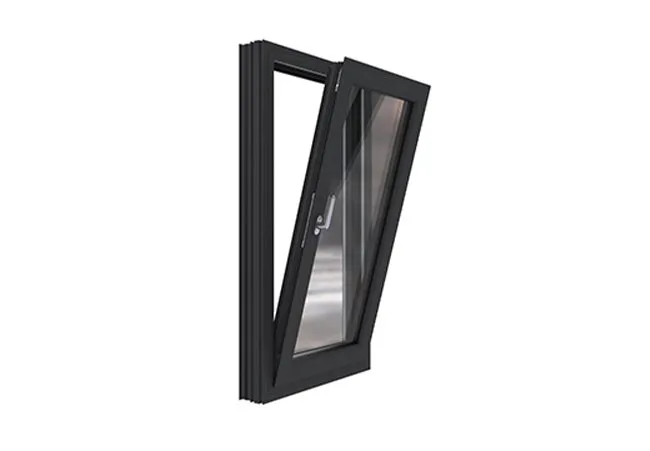
Tilt and turn windows have quickly gained popularity in the commercial sector due to their innovative design and versatile functionality. Manufactured by a tilt and turn windows factory, these windows provide two distinct opening mechanisms. The first function allows for a gentle tilt, where the top of the window tilts inward at a 90-degree angle. This feature enables secure ventilation, making them ideal for spaces requiring fresh air while ensuring safety and security—even when unoccupied.
The second function permits the entire sash to swing inward like a door when the handle is rotated to 180 degrees. This capability not only allows for complete ventilation but also facilitates easy cleaning and quick emergency access. The smooth, effortless operation of tilt and turn windows enhances user experience, making them an attractive option for offices, schools, and commercial buildings where ease of use is paramount.
Advantages of Casement Windows
Casement windows have long been favored for their traditional design and straightforward functionality. These windows hinge on one side and open outward, providing excellent ventilation while maximizing natural light. The simplicity of casement windows allows for various configurations, making them suitable for various architectural styles.
From a performance standpoint, casement windows are often more energy-efficient than other window types, thanks to their tight seal when closed. This sealing helps reduce drafts and maintain consistent indoor temperatures, which can lead to reduced energy costs over time. Additionally, casement windows can be equipped with a range of glass options to suit specific thermal or acoustic needs.
However, they lack the dual functionality of tilt and turn windows. While they provide substantial airflow when fully opened, they do not offer the same level of secure ventilation as tilt and turn designs do when tilted. This limitation may be a consideration for businesses looking for maximum versatility in their window choices.
Choosing the Right Style for Your Needs
When deciding between tilt and turn windows and casement windows, it is crucial to evaluate the unique requirements of the space. Projects focused on maximizing ventilation while maintaining security may benefit significantly from the features of tilt and turn windows. Those prioritizing classic aesthetics and straightforward operation might lean towards casement windows.
Additionally, businesses must consider maintenance and accessibility. Tilt and turn windows facilitate easy cleaning and emergency access, while casement windows might require more effort to maintain, especially when installed in hard-to-reach areas.
Elevating Your Project with Bunniemen
As the demand for high-quality, versatile window solutions grows, choosing the right manufacturer becomes critical. Bunniemen stands out in the market with its innovative 65 Series Tilt Turn Window, designed for effortless operation and dual functionality. With features such as a secure tilt function for gentle ventilation and a full opening turn function for easy cleaning, Bunniemen’s offering caters effectively to commercial needs. Partnering with Bunniemen ensures access to superior tilt and turn windows that elevate any architectural project, merging functionality with modern design.
