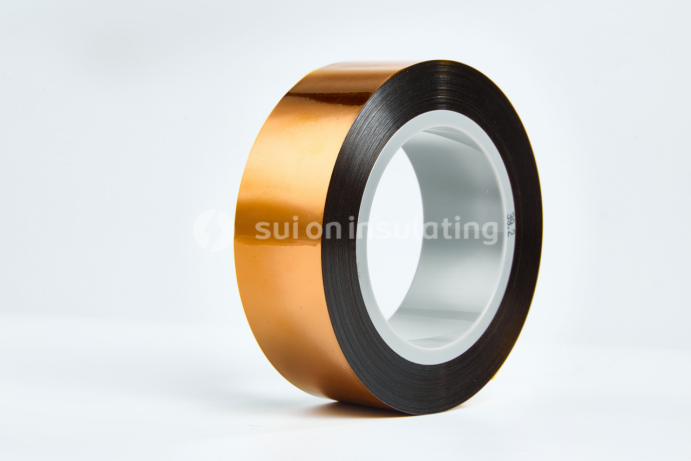
Thermal dissipation is a key factor in ensuring reliability across electrical systems such as motors, transformers, and data center equipment. Materials like Kapton® material are often selected for their ability to maintain insulation performance under elevated temperatures. In many industrial applications, Kapton® film is applied where both electrical stability and controlled heat flow are required. In this context, Sui On Insulating is known for providing material options that support consistent performance across different operating conditions.
Tip 1: Adjust Material Thickness Based on Heat Flow Needs
The gauge of Kapton® film directly impacts both heat transfer and electrical protection. Thinner layers minimize thermal buildup by supporting faster dissipation whereas increased thickness provides superior insulation integrity against high-voltage stress.Selecting the correct Kapton thickness is essential for optimizing performance incompact, heat-sensitive applications.
Tip 2: Use Layered Structures to Guide Thermal Paths
Integrating Kapton® film into multi-layer insulation systems can help manage how heat spreads. When combined with materials such as Nomex® or PET, Kapton® material contributes to a more stable thermal pathway. This layered approach is commonly applied in high-demand electrical assemblies.
Tip 3: Enhance Surface Contact and Lamination Quality
Thermal performance can also depend on how well Kapton® film interfaces with adjacent materials. Proper lamination improves contact and reduces thermal resistance. In applications using Kapton® material, consistent bonding helps maintain reliable heat transfer across surfaces.
Tip 4: Consider Environmental and Long-Term Stability
Operating environments affect thermal dissipation over time. Kapton material is valued for its resistance to temperature cycling and aging, allowing Kapton® film to maintain stable performance in demanding conditions such as motors and transformers.
Tip 5: Align Material Selection with Application Requirements
Different applications require different thermal management strategies. Selecting Kapton® film based on voltage, temperature range, and mechanical stress ensures that Kapton® material performs consistently within the system design. They provide material solutions that support these varied requirements across industries.
Conclusion: Practical Approaches to Thermal Optimization
Optimizing heat dissipation with Kapton® material involves careful selection, structural design, and application awareness. By applying Kapton® film within well-planned configurations, systems can achieve stable thermal performance. In this process, Sui On Insulating supports industrial users with material options that align with practical engineering needs.
