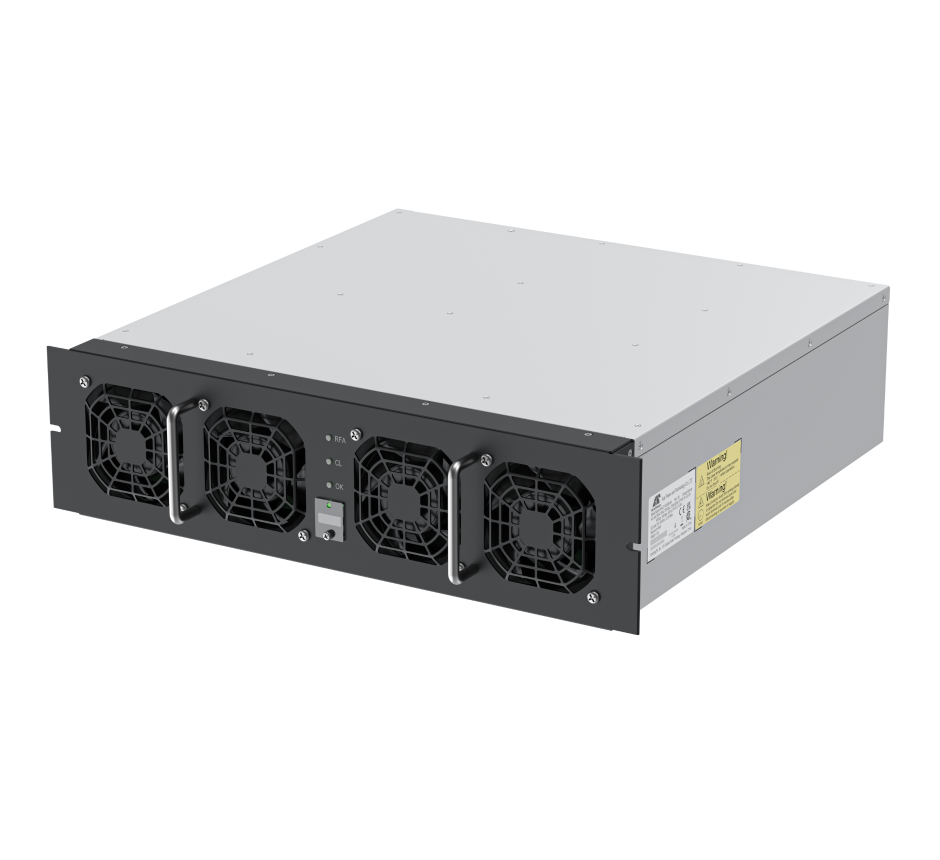
As the electric vehicle (EV) market continues to expand, the demand for robust and efficient charging solutions is becoming increasingly critical. The development of high-power charging infrastructure is essential to facilitate the growing number of EVs on the road, making innovations in EV charger module design vital. Companies like AcePower are at the forefront of this evolution, leveraging advanced technology to meet the demands of both consumers and industry stakeholders.
Innovations in EV Charging Module Technology
The next generation of EV charging modules will incorporate significant technological advancements aimed at improving efficiency and user experience. A leading trend is the integration of silicon carbide (SiC) technology, which allows for higher power density and improved thermal performance. This innovation contributes to the production of EV charging modules capable of delivering greater power with lower energy losses.
For example, AcePower’s 50kW ACDC Charging Module showcases a peak efficiency of up to 97.6%. This level of efficiency directly translates to reduced operational costs and a more sustainable charging ecosystem. Additionally, the low full-load noise of just 55dB makes these modules suitable for urban settings, where noise pollution can be a concern. By meeting Class B standards applicable in Europe and North America, AcePower ensures that their EV charger modules align with regulatory requirements while providing superior performance.
Furthermore, the design of these modules is evolving to accommodate faster charging times. As consumer expectations shift towards convenience and efficiency, manufacturers are focusing on developing charger modules that can significantly reduce charging durations. This aspiration not only enhances the overall user experience but also helps charge point operators increase the turnover rate of vehicles, thus maximizing their return on investment.
Enhanced Connectivity and Integration
Another critical trend influencing the design of EV charger modules is the growing emphasis on connectivity and smart features. Future EV charging modules are expected to integrate seamlessly with smart grid technologies and software systems that enhance monitoring and management capabilities. This connectivity can facilitate real-time data exchange, enabling businesses to optimize their charging operations and improve energy management.
For instance, integrating communication protocols allows EV charger modules to interact with electric vehicles and grid systems, leading to improved scheduling and energy distribution. This is essential for the deployment of high-power charging stations, as it ensures that energy is utilized wisely and that charging loads are balanced effectively within the grid.
Moreover, advancements in user interface design will likely improve customer interaction with charging stations. Features such as mobile app integration, real-time updates, and streamlined payment systems will enhance the experience and encourage the broader adoption of electric vehicles.
Shaping the Future of EV Charging Infrastructure
The future of EV charger module design is set to redefine the high-power charging infrastructure landscape. With innovations in efficiency, connectivity, and user experience driven by companies like AcePower, the industry stands poised for transformation. As technological advancements continue to emerge, stakeholders in the B2B sector must stay alert to these trends to remain competitive and responsive to market demands. Embracing these changes will be essential for fostering a sustainable and efficient electric mobility ecosystem.
