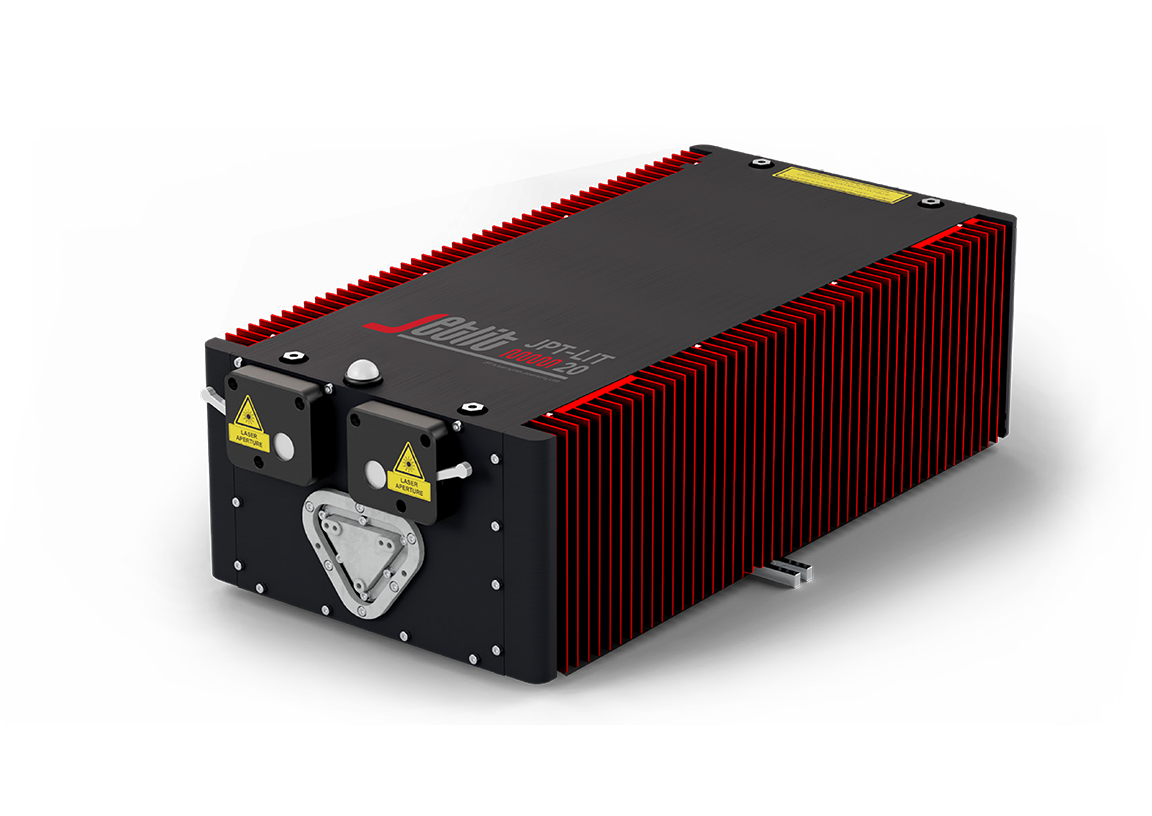
Femtosecond lasers have revolutionized precision manufacturing, particularly in micromachining applications. The intricacies of pulse duration play a critical role in defining the heat-affected zone (HAZ) during laser processing. This article delves into how variations in pulse duration influence the HAZ size, which is essential for industries utilizing femtosecond laser micromachining. With the right technological advancements, like those provided by JPT, manufacturers can significantly enhance their micro-manufacturing capabilities.
The Concept of Heat-Affected Zone in Micromachining
In laser micromachining, the heat-affected zone refers to the area surrounding the target material that experiences thermal alterations due to laser exposure. When a femtosecond laser is utilized, its high peak power and ultrashort pulse duration minimize the energy dissipated into the surrounding material. As such, a well-controlled pulse duration results in a smaller HAZ, which is crucial for maintaining the integrity of microstructures.
Effects of Pulse Duration on Laser Processing
The pulse duration directly correlates with the amount of energy delivered per pulse. Shorter pulse durations can achieve high peak intensities while limiting the thermal diffusion into the substrate. Conversely, longer pulses may increase the HAZ due to prolonged material exposure to heat. Understanding this relationship is vital for manufacturers, especially those integrating femtosecond laser micromachining systems, to ensure precision and minimize unintended thermal effects.
The Role of Advanced Lasers like JPT in Practical Applications
Incorporating advanced solutions such as those offered by JPT can help manufacturers optimize their micromachining processes. Using femtosecond lasers with adjustable pulse durations allows for tailored applications to meet specific requirements. Beam parameters and pulse characteristics can be fine-tuned to achieve desired results, enabling businesses to cater to diverse industry needs without compromising on quality or precision.
Conclusion
Mastering the intricacies of pulse duration is essential for effective femtosecond laser micromachining. By understanding its impact on the heat-affected zone, manufacturers can leverage the advanced technology provided by companies like JPT to enhance their micromachining capabilities. As industries continue to evolve, the capacity to manipulate these parameters will determine the efficiency and output of laser processing, ensuring that precision remains at the forefront of manufacturing innovation.
