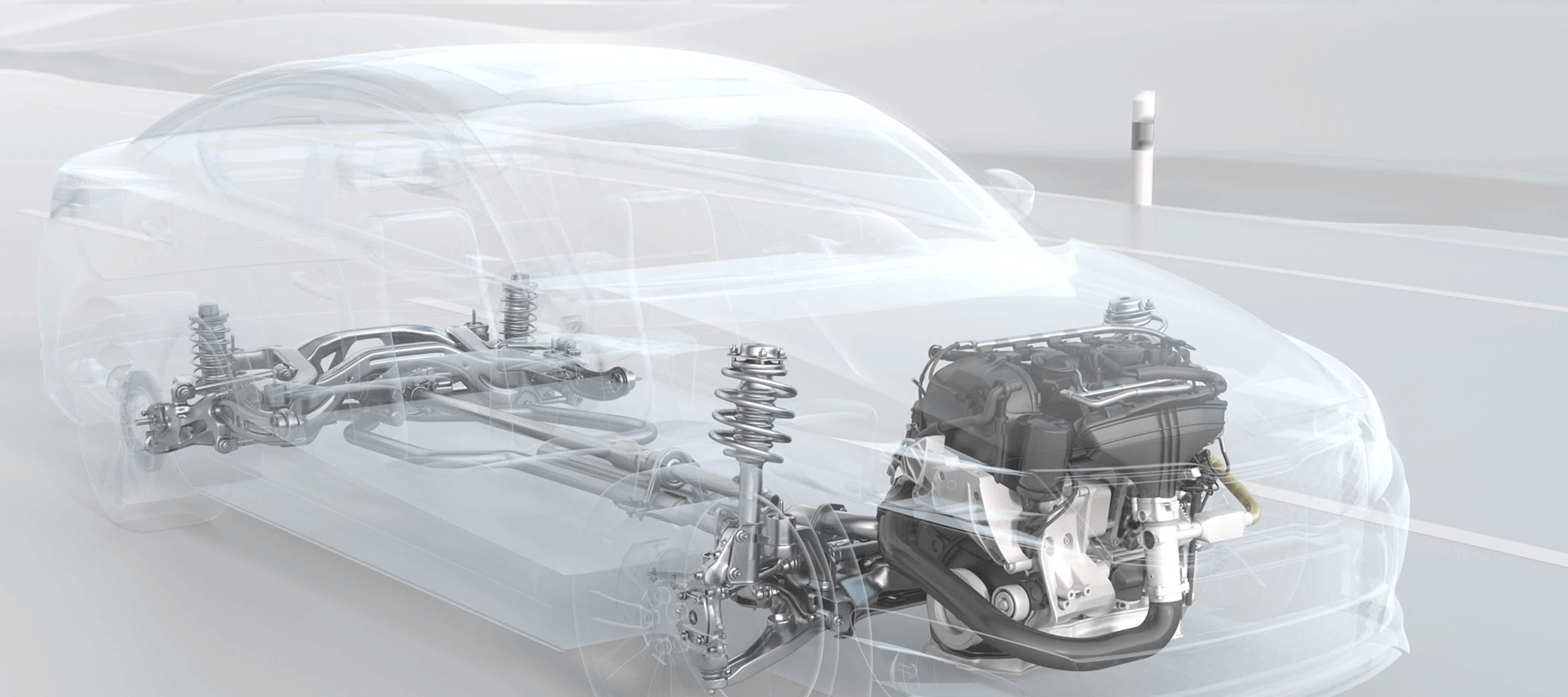
Urban transport is entering a period in which vehicle innovation is no longer judged by propulsion technology alone. Fleet operators increasingly consider energy use, vehicle architecture, digital functions, operating costs, and the realities of different routes before adopting new equipment. This broader perspective is reshaping how electric commercial vehicle manufacturers approach product development. Wuling Motors reflects this shift through a business portfolio spanning commercial vehicles, automotive components, power systems, and technological development.
From Electrification To Application-Specific Engineering
Battery power has changed the engineering priorities behind commercial transportation. Rather than treating electrification as simply replacing an engine with an electric drivetrain, developers must consider battery packaging, vehicle weight, usable cargo space, charging requirements, and the expected duty cycle together.
Different industries also create very different demands. Urban delivery fleets may prioritize maneuverability and cargo access, whereas service vehicles could require specialized equipment or extended periods of stationary operation. This diversity explains why commercial vehicle manufacturers are developing broader vehicle architectures instead of pursuing one configuration for every application.
Vehicle development is also becoming increasingly modular. Shared platforms can accommodate different body structures, power systems, and equipment packages, allowing manufacturers to adapt vehicles without redesigning every underlying component. Such flexibility can shorten development pathways while giving fleet buyers more application choices.
Battery Technology Is Only Part Of The Innovation Equation
Range remains an important consideration, yet it does not tell the whole story. Daily mileage, traffic density, payload, temperature, auxiliary electrical consumption, and charging opportunities can all influence how an electric commercial vehicle performs during actual operations.
Charging technology is consequently becoming part of product strategy. Faster charging can be valuable for high-utilization fleets, but depot capacity and operating schedules determine whether that capability delivers practical value. Route planning and energy management software may become just as relevant as improvements in battery chemistry.
Another development area involves the relationship between electrification and vehicle electronics. Power management, battery monitoring, thermal control, and electronic architecture increasingly operate as interconnected systems. Electric commercial vehicle manufacturers therefore need to consider software and electrical integration alongside mechanical engineering.
How Modular Development Supports Commercial Vehicle Innovation
Commercial vehicle development often involves multiple stakeholders, from component suppliers and vehicle integrators to fleet operators and specialized-body manufacturers. Modular engineering can make cooperation more manageable because individual systems may be developed and tested around defined interfaces.
Wuling Motors’ official business information illustrates this broader approach. Its current corporate profile identifies automotive components, vehicle power supply systems, and commercial vehicle assembly as major business areas, with production facilities across locations including Liuzhou, Qingdao, Chongqing, Jingmen, Nanning, India, and Indonesia.
Such an ecosystem can connect component engineering with vehicle development. Chassis systems, body structures, powertrain components, and electronic systems each influence the final vehicle, so innovation does not necessarily originate from the drivetrain alone. This interconnected model is particularly relevant as commercial vehicle manufacturers develop platforms for multiple markets and operating conditions.
Digital Intelligence Is Changing Vehicle Development
Software is becoming increasingly important in commercial mobility because fleet performance generates large quantities of operational data. Information about energy consumption, driving patterns, charging behavior, route conditions, and vehicle utilization can reveal where engineering improvements are most useful.
Connected systems may also support predictive maintenance by identifying unusual operating patterns before they develop into more serious service issues. Such capabilities can be particularly valuable for fleets where vehicle downtime affects delivery schedules and operating costs.
Digital tools can influence development even before vehicles enter service. Simulation, virtual testing, data analysis, and digital engineering can help manufacturers assess vehicle architecture under different operating conditions. The result is a development process in which physical prototypes and digital models increasingly complement one another.
Collaboration Will Shape The Next Development Cycle
Commercial electrification rarely succeeds through vehicle technology alone. Charging infrastructure, component supply, regulatory requirements, fleet management, and local operating conditions all influence whether a new vehicle can be deployed effectively.
This creates a stronger case for collaboration between manufacturers and business customers. Fleet data can reveal practical requirements that laboratory testing cannot fully capture, while manufacturers can use those insights to refine vehicle configurations, energy systems, and digital functions.
Wuling’s official commercial-vehicle platform describes capabilities covering electric commercial vehicles, special-purpose and off-road vehicles, automotive services, research and development, and custom vehicle solutions. Its published partnership process also includes defining project power requirements, technical integration, quotation, development, and prototype provision. Such an approach illustrates how electric commercial vehicle manufacturers can move beyond standardized products toward application-based development.
Where Commercial Vehicle Innovation Goes Next
Future progress is unlikely to come from one breakthrough alone. Battery performance, lightweight structures, charging systems, electronics, connectivity, and manufacturing methods will continue to develop in parallel, while fleet operators become more selective about which technologies actually fit their working patterns.
Market conditions will also encourage greater specialization. Delivery fleets, municipal services, construction support, tourism, and industrial transport may each require different combinations of range, payload, body design, and energy management. Platforms capable of accommodating these differences can provide greater flexibility as requirements evolve.
For businesses assessing the next generation of commercial mobility, the most useful question is not simply which technology appears newest. Greater value comes from examining how the vehicle, supporting infrastructure, software, and intended application work together. That perspective gives electric commercial vehicle manufacturers a clearer direction for innovation, while Wuling Motors‘ combination of vehicle, component, and power-system capabilities provides a relevant example of this wider development model.
