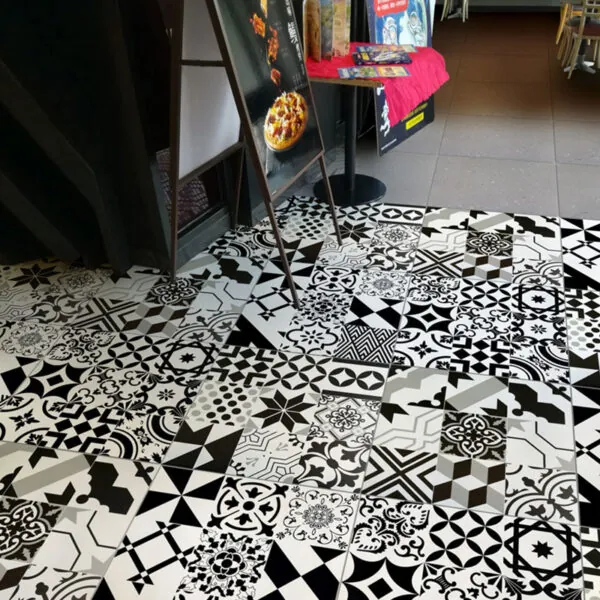
A patterned kitchen wall can give a room a clear focal point, but it also needs to work with cabinetry, counters, and daily routines. The most effective feature area usually has a defined boundary and a reason to draw attention. Before choosing patterned kitchen wall tiles, decide what the wall should do: mark a cooking zone, add depth behind open shelving, or bring character to a quieter part of the kitchen.
A feature is easier to plan when it responds to the room’s existing structure. The backsplash height, cabinet edges, hood, windows, and outlets all shape the available surface. Mapping these elements first can help the pattern feel integrated instead of added after the rest of the design is complete.
Give the Feature Area a Purpose
Start by identifying the wall or section that deserves emphasis. A cooking area can be framed by cabinetry or a hood, while an open wall may need a clearer stopping point. A contained feature often feels deliberate and can keep a lively pattern from competing with every other finish in the room.
Set boundaries before choosing a motif
Measure the width and height of the planned area, then mark openings and fixtures. Decide where the pattern begins and ends, including side edges and transitions to painted walls or other materials. If the feature spans several sections, use an elevation drawing to see how the design moves across the whole surface.
A motif can be centered, aligned with a cabinet line, or repeated across the full backsplash. Each approach creates a different visual balance. Consider sightlines from the kitchen entrance and dining area, not only the close view at the counter. A pattern that looks bold in a sample may appear quieter across a wide wall, or more dominant when concentrated in a small panel.
Balance pattern with surrounding finishes
If the countertop has prominent veining or the cabinetry uses a strong color, a simpler wall pattern may create a more composed result. In a restrained kitchen, a more detailed motif can supply contrast and personality. The goal is to make the tile part of the palette rather than treating it as a separate decoration.
Compare samples with the materials that will remain. Look at the tile beside countertop, cabinet, hardware, flooring, and paint references. Note the undertones and surface movement of each material. This makes it easier to decide whether the pattern should harmonize with those elements or provide controlled contrast.
Select a Pattern for the Viewing Distance
Pattern scale changes how a feature reads. Small repeating motifs can create an even texture, while larger shapes are easier to notice from across the room. The wall’s size and viewing distance should guide the selection, along with how much visual activity is already present.
Review the repeat, not just one tile
When comparing patterned kitchen wall tiles, review how the full pattern reads at the intended wall scale. A single tile rarely shows how a repeated design will look across the wall. Request several samples or a layout image to review the full motif, including directional details, borders, and color transitions that require alignment during installation.
Check how the pattern meets shelves, outlets, windows, and the underside of cabinets. These interruptions can cut through important parts of a motif. If a particular feature should remain visible, mark its position on the drawing and discuss the layout with the installer before ordering.
Use color to guide attention
Color contrast can make a patterned wall more prominent, while related tones may let it blend with the larger palette. Consider the amount of daylight and the kitchen’s task lighting. Review samples at different times of day because light can change how colors and surface details appear.
Grout also affects the visual result. A close color can soften the outline of individual pieces, while contrast can emphasize the overall geometry. Compare grout samples against the tile rather than making the choice from a screen. Confirm joint details with the supplier or installer for the selected product.
Keep the Wall Practical
A feature wall still needs to suit its location. Identify whether the selected area is exposed to cooking splashes, regular cleaning, or moisture. Ask the supplier for product-specific application and care information, then confirm that the proposed tile and installation approach fit the project requirements.
Think through edges and transitions as part of the design. Exposed sides may need a finishing detail, and corners can affect the pattern’s continuity. Agree on where tile stops before calculating the order quantity. This avoids leaving key layout decisions until the installer is already on site.
Make the Feature Feel Intentional
A patterned kitchen wall works best when its location, scale, palette, and edges are considered together. Define the feature area, compare the full repeat with surrounding finishes, and plan around fixtures before choosing a product. That preparation helps the wall add character while remaining connected to the way the kitchen is used.
JLA Ceramics is a ceramic and porcelain tile manufacturer with more than 20 years of manufacturing experience. Its product range includes patterned tiles in different designs and finishes, giving buyers options for decorative kitchen wall applications.
They also provide custom design and OEM services to support different project requirements. Their quality control, global shipping, and technical support services help coordinate product selection and supply. Buyers can contact JLA Ceramics to discuss patterned tile options and project needs.
