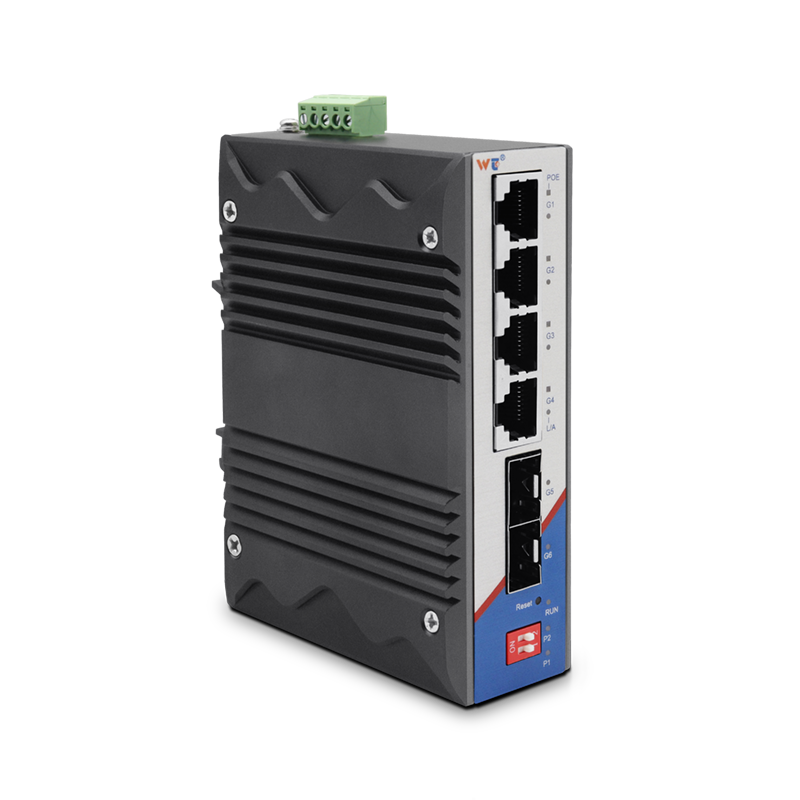
Industrial networks often operate in environments where a brief communication failure can interrupt production, disrupt monitoring, or affect the coordination of critical equipment. Dust, temperature fluctuations, electrical noise, and continuous workloads place demands on network infrastructure that ordinary office environments may not encounter.
Experienced industrial ethernet switch manufacturers address these challenges through hardware design, but long-term reliability also depends on how switches are inspected, configured, and maintained throughout their service life.
Establishing a Maintenance Schedule Around Operating Conditions
A practical maintenance plan begins with the environment rather than a fixed calendar. Switches installed in clean control rooms may require less frequent physical inspection than equipment operating near machinery, rail infrastructure, or electrical substations. Maintenance intervals should reflect environmental exposure, operational criticality, manufacturer recommendations, and the consequences of a potential network interruption.
Physical inspections can reveal early warning signs before they develop into communication failures. Technicians should check enclosure condition, cable strain, connector security, ventilation paths, and indicator lights, while looking for corrosion, unusual heat, or accumulated dust. Industrial equipment mounted on DIN rails also warrants a check for secure attachment and adequate clearance around surrounding components.
Documentation makes routine inspections more valuable. Recording device locations, firmware versions, configuration changes, observed alarms, and corrective actions allows maintenance teams to identify recurring issues across multiple sites. A consistent record also helps distinguish a developing hardware problem from a fault introduced during recent network modifications.
Detecting Network Faults Before They Escalate
Intermittent connectivity can be more difficult to diagnose than a complete outage because devices may recover before technicians arrive. Monitoring tools that track port status, traffic utilization, packet errors, link flapping, and power events provide useful evidence of abnormal behavior. Establishing normal operating baselines makes unusual patterns easier to recognize.
Cable and connector problems deserve particular attention in electrically demanding environments. Damaged Ethernet cables, loose terminations, poor shielding, and incorrect grounding can contribute to unstable links or communication errors. Fiber connections require their own checks, including connector cleanliness, bend-radius compliance, and inspection of optical signal levels where suitable diagnostic functions are available.
Network segmentation and configuration reviews can also prevent avoidable disruptions. Managed switches may support features such as VLANs, Spanning Tree Protocol, and Quality of Service, depending on the model. Maintenance teams should verify that these settings match the approved network design, since an undocumented configuration change can affect traffic paths or introduce unexpected connectivity problems.
Managing Firmware, Power, and Environmental Risks
Firmware maintenance requires a balance between security, stability, and compatibility. Before applying an update, administrators should review release notes, verify hardware and configuration compatibility, back up existing settings, and prepare a recovery procedure. Testing changes on a representative device can reduce the risk of introducing problems across an entire industrial network.
Power stability is another essential consideration, especially for switches serving controllers, cameras, sensors, and monitoring systems. Where supported, redundant power inputs or backup power arrangements can reduce exposure to individual supply failures. Maintenance checks should include terminal connections, power-supply alarms, grounding arrangements, and any signs of overheating or electrical deterioration.
Environmental specifications must match actual site conditions rather than assumptions based on product category. Temperature ratings, ingress protection, mounting methods, and electromagnetic compatibility vary by model. Industrial ethernet switch manufacturers may offer hardware designed for demanding installations, but site engineers still need to confirm the precise ratings and installation requirements of the selected device.
Building a Sustainable Industrial Switch Maintenance Program
Maintenance becomes more effective when responsibilities, escalation procedures, and replacement criteria are clearly defined. Critical network segments may justify closer monitoring and shorter inspection intervals, while less sensitive areas can follow a lighter schedule based on documented risk assessments. Spare-device planning should account for port requirements, supported protocols, mounting arrangements, and configuration compatibility.
Lifecycle planning also benefits from tracking firmware support, component availability, and the age of installed equipment. A switch that remains operational may still become difficult to maintain if replacement parts or technical support are no longer available. Periodic reviews help organizations plan upgrades before aging hardware creates unnecessary operational exposure.
For organizations evaluating equipment alongside maintenance requirements, WINTOP offers a variety of industrial networking solutions, including unmanaged switches, Layer 2 switches, PoE switches, and smart DIP-switch-configured switches, with support for both DIN-rail and rack-mount installations. Its company-provided information identifies power grids, railway signaling, and smart city infrastructure as application areas, with OEM customization also available. Buyers should verify the certifications, environmental ratings, port configurations, and power specifications of each proposed model before deployment.
Conclusion
Reliable industrial connectivity depends on disciplined maintenance as much as hardware selection. A program built around environmental inspections, meaningful network monitoring, controlled firmware changes, and accurate asset records helps teams detect faults earlier and manage equipment throughout its operational life.
WINTOP, an industrial networking equipment provider, offers a range of switch solutions for infrastructure applications, supported by customization options for project-specific requirements. Visit the official WINTOP website to review its product range and identify equipment suited to the technical demands of an industrial network.
