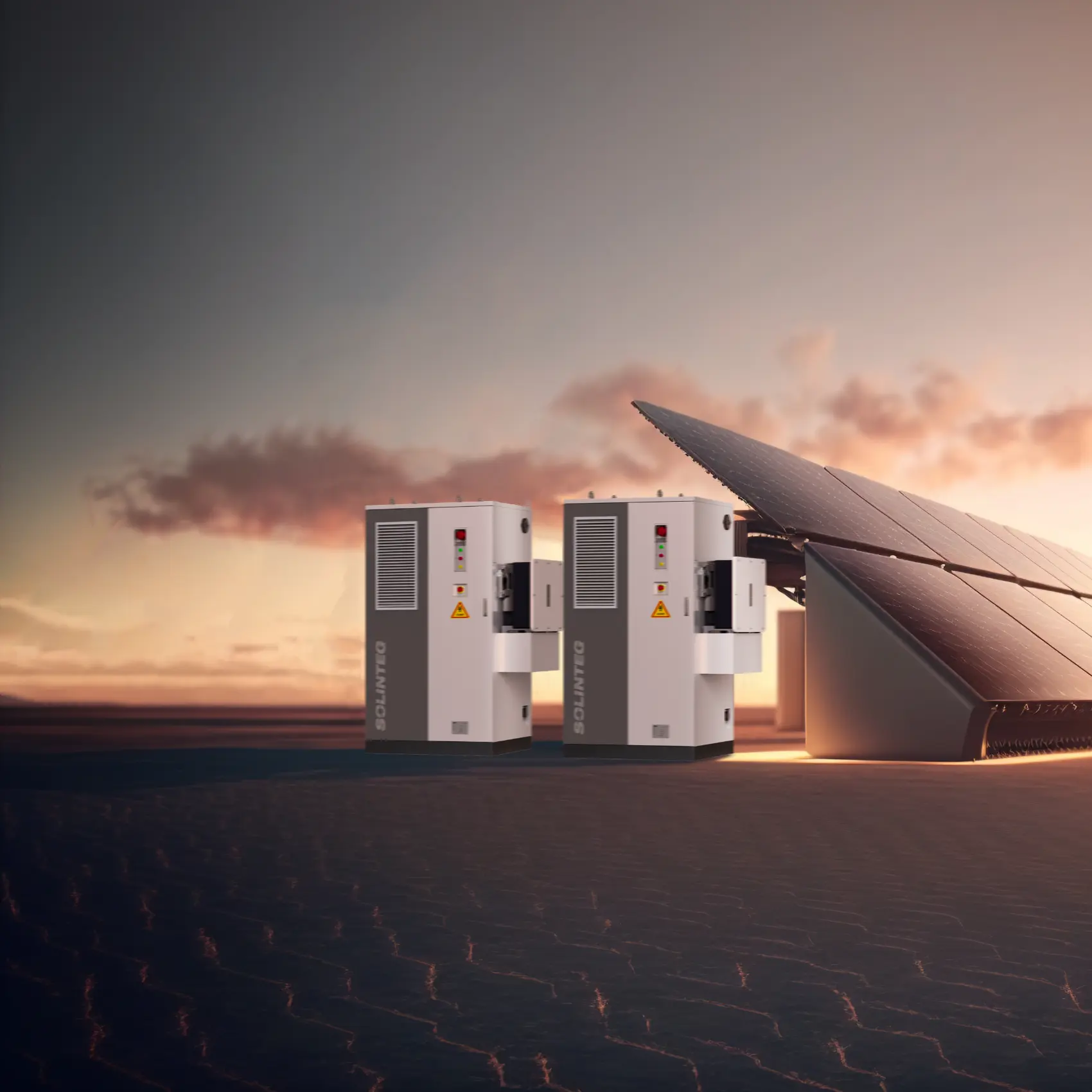
Investing in a battery storage system for solar energy can be a transformative decision for homes and businesses alike. With energy independence growing in its importance, understanding the Return on Investment (ROI) from solar battery storage systems has become crucial. Various factors influence this ROI, and they can vary significantly from one installation to another.
Initial Costs and Financing Options
The battery storage system for solar solutions requires a substantial initial investment. This includes not only the battery itself but also installation, permits, and potentially additional solar equipment. Financing options play a pivotal role in determining the overall cost, as accessing lower interest rates or favorable terms can significantly affect financial viability. Accessing low-interest financing, grants, or subsidies can significantly offset the initial outlay, directly improving the upfront ROI calculation for homeowners who take the time to explore available regional programs.
Energy Savings and Utility Rates
Solar batteries allow you to store daytime energy for use at night or during peak demand, leading to significant savings on electricity bills. As energy prices fluctuate, the ability to use stored solar energy can dramatically improve overall savings and, in turn, the ROI. It is essential to analyze local utility rates and potential future increases—not only to gauge current savings but also to stress-test ROI under different tariff scenarios. This forward-looking approach becomes even more valuable when combined with a battery system that maintains high round-trip efficiency over its full warranty period, such as SOLINTEG’s lithium-ion platforms, as it ensures the projected savings are not eroded by premature performance fade.
Battery Lifespan and Maintenance
The lifespan of a battery storage system for solar energy is another critical factor in calculating ROI. Typical warranties last from 5 to 15 years, but actual operational life can vary significantly based on depth of discharge and thermal conditions. Regular maintenance, although minimal for modern lithium systems, is necessary to ensure optimal performance. Understanding the degradation rate and projecting effective usable life provide critical insights into long-term financial outcomes, but homeowners should also factor in the cost of potential maintenance events; systems designed with modular service access—allowing fans or control boards to be replaced without a full teardown—can significantly lower these long-term expenses and preserve ROI over a longer service window.
Conclusion
Several interrelated elements affect the ROI of a battery storage system, from initial financing and utility rate structures to ongoing maintenance and degradation curves. Users should conduct thorough research and consider all variables within their specific regional contexts. Ultimately, the decision to invest should be informed by a comprehensive understanding of both immediate and long-term financial implications. By thoroughly analyzing these interconnected variables, users can identify solutions—such as SOLINTEG‘s intelligent PV-storage ecosystems—that not only offer robust grid control and reliability but also deliver sustained financial returns aligned with their long-term energy sustainability goals.
