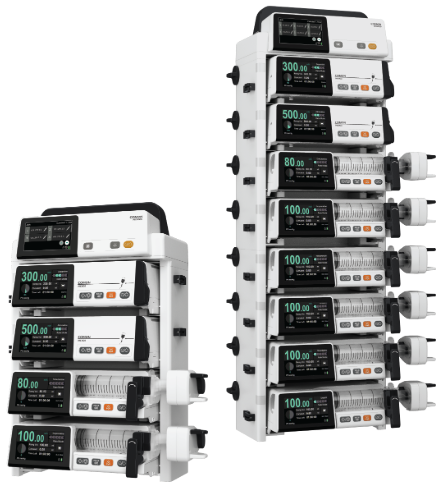
Healthcare institutions require more than just high-performance hardware; they demand a continuous commitment to operational readiness and technical stability. A responsible medical equipment manufacturer recognizes that the point of sale is merely the beginning of a long-term partnership with clinical providers. COMEN allocates significant resources to develop robust maintenance networks and rapid response teams, helping to maintain the functionality of life-critical devices around the clock. By prioritizing these support structures, COMEN mitigates the risks associated with equipment downtime, directly influencing the quality of patient care and the overall efficiency of hospital departments.
Supporting Device Longevity and Safety
Reliability over time is a primary concern for procurement officers who manage extensive inventories of diagnostic and life-support systems. They rely on a medical equipment manufacturer to provide scheduled preventative maintenance and genuine replacement parts that adhere to original engineering specifications. This proactive approach prevents minor wear and tear from escalating into significant mechanical failures that could compromise patient safety. Furthermore, when a medical equipment company provides consistent software updates and hardware calibrations, they extend the usable lifespan of the technology, ensuring that the hospital’s investment remains productive for many years.
Enhancing Clinical Proficiency Through Training
Technical support extends beyond physical repairs to include the comprehensive education of the medical personnel who operate the machines daily. They provide hands-on training sessions and detailed instructional materials to help nurses and physicians can utilize every advanced feature of the equipment with confidence. Because a medical equipment manufacturer stays deeply involved in the post-installation phase, they can identify common operational challenges and provide tailored solutions to improve workflow. This educational support ensures that the sophisticated capabilities of the devices are fully realized, reducing the likelihood of user error and improving diagnostic outcomes.
Building Long-Term Strategic Partnerships
Stability in a clinical setting is fostered when there is a clear and accessible line of communication between the facility and the supplier. A medical equipment company that invests in a localized service infrastructure can offer faster turnaround times for repairs, which is essential for maintaining high patient throughput. They use these interactions to gather real-world feedback, which the medical equipment manufacturer then integrates into future product iterations to better serve the evolving needs of the healthcare sector. This cyclical relationship creates a foundation of trust, allowing hospitals to plan their future expansions with the assurance that their technological partners will provide steady support.
After-sales systems are a fundamental component of the value proposition offered by modern technology providers in the healthcare industry. By focusing on maintenance, training, and strategic communication, they ensure that clinical environments remain safe and efficient. This dedication to service not only protects the functionality of individual devices but also strengthens the collaborative bond between the manufacturer and the healthcare professionals who save lives every day.
