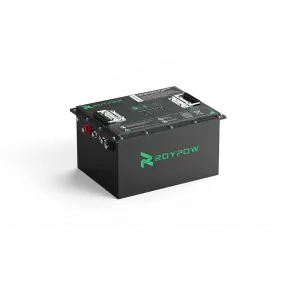
For golf cart owners, charging time is more than a technical detail. It affects daily convenience, fleet readiness, and overall battery performance. This is especially true for 36V systems used in many older and mid-range carts, where charging habits can directly influence reliability on the course or around larger properties.
If you use an E-Z-Go model, understanding how charging time works helps you plan usage more effectively and avoid unnecessary downtime. It also becomes easier to evaluate whether a battery upgrade can improve both efficiency and long-term value. For users comparing traditional options with newer lithium solutions, charging speed is often one of the first practical advantages they notice.
What Determines Charging Time?
The charging time of a golf cart battery mainly depends on two things: battery capacity and charger output current. In simple terms, a larger battery takes longer to charge, while a charger with a higher current can shorten the process.
A commonly used formula is:
Charging Time (minutes) = (Battery Capacity / Charging Current) × 60
This gives a useful estimate for standard charging conditions. For example, if a 36V battery has a capacity of 100Ah and the charger provides 20A of current, the estimated charging time would be:
(100 ÷ 20) × 60 = 300 minutes
That means a full charge would take around 5 hours.
Of course, real-world charging can vary slightly depending on battery condition, temperature, charger compatibility, and whether the battery management system adjusts the charging rate near the end of the cycle. Still, the formula offers a clear starting point for planning daily use.
Why Charging Efficiency Matters
For occasional users, a few extra hours of charging may not seem important. But for golf courses, resorts, campuses, and property managers, battery turnaround time can make a noticeable difference.
Shorter charging times can help with:
- Higher availability
Carts spend less time parked and more time in service. - Better scheduling
Operators can plan charging windows around active usage periods. - Reduced disruption
Faster recovery is useful when carts are needed multiple times a day. - Improved workflow
Staff can manage fleets more efficiently when charging is predictable.
This is one reason lithium batteries are attracting more attention in the golf cart market. While the same calculation principle still applies, lithium systems typically support higher charging currents more effectively than lead-acid batteries, allowing faster replenishment without the same level of performance compromise.
How Lithium Batteries Change the Experience
Compared with conventional lead-acid batteries, lithium golf cart batteries offer more than quicker charging. They also improve consistency, reduce maintenance demands, and support a more dependable driving experience. Some of the biggest advantages include:
- Faster charging capability
Lithium batteries can generally accept higher charging currents, which helps reduce downtime between uses. - Stable power delivery
As the battery discharges, performance remains more consistent. This is valuable on hilly terrain or during extended operation. - Longer service life
Many lithium batteries are designed for thousands of charge cycles, which can translate into years of dependable use under proper conditions. - Low maintenance
There is no need for routine watering, acid checks, or the same level of upkeep associated with traditional lead-acid systems.
These benefits are especially relevant for users seeking dependable E-Z-Go golf buggy batteries that can support everyday use without adding extra maintenance burdens.
Beyond Charging Speed: The Long-Term Value
Charging time is important, but it should not be the only factor in battery selection. Total ownership cost often depends on how long the battery lasts, how consistently it performs, and how much labor it requires over time.
Lithium batteries often stand out in these areas. Their longer cycle life can reduce replacement frequency, while maintenance-free operation lowers the amount of attention needed during routine ownership. For commercial or semi-commercial use, that combination can improve both uptime and operating efficiency.
There is also a performance advantage that users feel directly. A battery that delivers steady voltage through the discharge cycle helps the cart operate more smoothly rather than feeling weaker as the charge drops. This creates a better experience not only for golfers, but also for facilities using carts for transport, groundskeeping, or guest services.
Charging Tips for Better Battery Performance
No matter which battery type you use, charging habits still matter. A few basic practices can help support battery life and safety:
- Use a charger matched to the battery chemistry and voltage.
- Avoid relying on incompatible or outdated charging equipment.
- Charge in a suitable environment with stable temperatures when possible.
- Follow manufacturer guidance for storage and charging intervals.
- Do not ignore signs of reduced charging efficiency or unusual heat buildup.
For lithium systems, a compatible charger and built-in battery management features can help optimize charging automatically. This makes day-to-day operation simpler and reduces the guesswork for users.
A Smarter Approach to 36V Battery Charging
Understanding how to estimate charging time for 36V golf cart batteries makes battery management far more practical. With a simple formula, users can predict charging windows, plan usage more effectively, and avoid unnecessary interruptions. More importantly, choosing a battery system with faster charging, longer life, and lower maintenance can create real benefits over time.
For golf cart owners looking to improve convenience and reliability, battery technology is no longer just a background detail. It plays a direct role in uptime, performance, and long-term operating value. A better charging experience often starts with a better battery choice.
