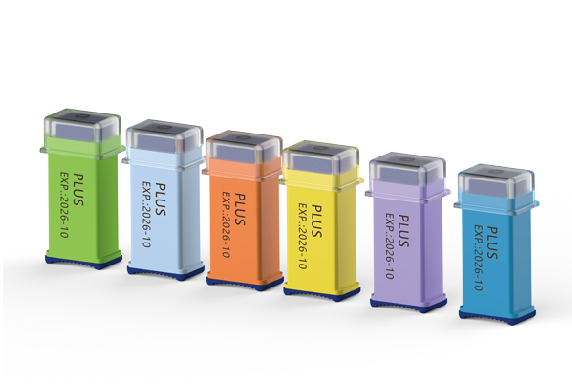
Fingerstick sampling can feel surprisingly inconsistent even when the same device is used under similar conditions. Skin thickness, nerve distribution, circulation, hand temperature, puncture location, and individual sensitivity all contribute to how a blood collection procedure feels. The design of a safety blood lancet matters, but it does not act independently of the fingertip itself. SteriLance develops disposable capillary blood collection devices in several configurations, reflecting the practical need to balance puncture control with usability across different testing situations.
Skin, Nerves, And The Sampling Site
Fingertips are not uniform surfaces. The central pad is generally more sensitive to pressure and touch, so sampling from the side of the fingertip may feel different from puncturing the center. Sampling from the side of the fingertip can therefore feel different from puncturing directly through the center, even if the same depth is involved.
Skin condition also changes the experience. Thickened skin, dryness, calluses, or repeated puncture may alter the resistance encountered during sampling. Someone who performs frequent blood glucose checks may notice greater sensitivity in an area that has been used repeatedly.
Blood circulation adds another variable. Cold hands can restrict peripheral circulation, which may make obtaining an adequate capillary specimen more difficult. Gentle warming before collection can support blood flow, while excessive squeezing may affect the specimen and increase discomfort.
Puncture Depth And Device Mechanics
Puncture depth determines how far the lancet penetrates the tissue. Greater penetration is not automatically preferable because the appropriate depth depends on the intended application, the individual’s characteristics, and the device being used. Excessive depth may increase discomfort without offering a corresponding benefit.
Mechanical behavior can produce another difference in sensation. Spring-driven devices deliver the puncture through a defined activation mechanism, whereas manually operated lancing systems may involve a different sequence of movement. The speed and consistency of that action can influence how the puncture is perceived.
One example from SteriLance’s product range is the Disposable Safety Lancet (Press Plus model). Its official product information describes a one-touch spring design and lists 30G, 28G, and 26G versions, all with a 1.8 mm puncture depth. The product is intended for capillary blood collection, with specifications documented in the manufacturer’s product information and instructions for use.
Why The Same Device May Feel Different
Individual physiology can explain much of the variation. Fingertip thickness differs between people, while age, circulation, hydration, and repeated sampling can influence skin response. Consequently, identical device settings do not necessarily create identical sensations.
The condition of the sampling site matters too. Recent punctures may leave an area tender, making the next procedure feel more noticeable. Rotating suitable sites can reduce repeated stress on one small section of skin, provided the testing instructions permit that approach.
Technique can amplify or reduce discomfort. Holding the device firmly against the intended site, using the manufacturer’s specified activation method, and avoiding unnecessary pressure after puncture can create a more controlled procedure. Device instructions should take precedence over generalized techniques because different products use different mechanisms.
Blood Flow, Preparation, And Sample Quality
Good preparation begins before the puncture occurs. Clean hands help remove substances that could interfere with some measurements, while adequate warmth may make capillary blood easier to obtain. The sampling site should be prepared according to the requirements of the particular test.
Pressure after puncture deserves particular attention. Forceful squeezing can make collection uncomfortable and may introduce tissue fluid into the specimen. If blood flow is limited, checking hand temperature and reviewing the sampling technique can be more useful than simply increasing pressure.
Testing frequency creates another consideration. People who need repeated measurements can benefit from a consistent routine that incorporates appropriate site rotation and follows device instructions. Such habits may help distinguish temporary tenderness from a broader issue with the sampling method.
Making Fingerstick Sampling More Consistent
Consistency does not mean every fingerstick will feel identical; it means controlling the variables that can be controlled—site preparation, device handling, puncture location, and post-puncture technique. Recording recently used sites can help avoid repeatedly selecting a sensitive area.
Healthcare professionals can offer individualized guidance when sampling is unusually difficult or painful, particularly for people with circulation problems, altered skin condition, or frequent testing needs. These considerations also help users follow device instructions and select lancet configurations suited to their routine.
Conclusion
Fingerstick sensation results from an interaction between the device and the person using it, rather than from needle characteristics alone. Skin structure, nerve sensitivity, circulation, preparation, puncture location, and technique can all change the experience from one test to the next. Safety blood lancet selection therefore works best alongside sound sampling habits and careful attention to the manufacturer’s instructions. For healthcare providers, procurement teams, and individuals seeking dependable capillary blood collection solutions, SteriLance offers product designs that can be considered according to the specific requirements of the intended application.
Disclaimer: This content is provided for general health education and informational purposes only. It does not constitute medical advice, diagnosis, or treatment. Individual health conditions vary, and no health education article can replace a face-to-face consultation with a qualified healthcare professional or licensed medical institution. If you have specific health concerns or feel unwell, please seek care from a licensed medical facility and do not delay treatment because of content on this platform.
