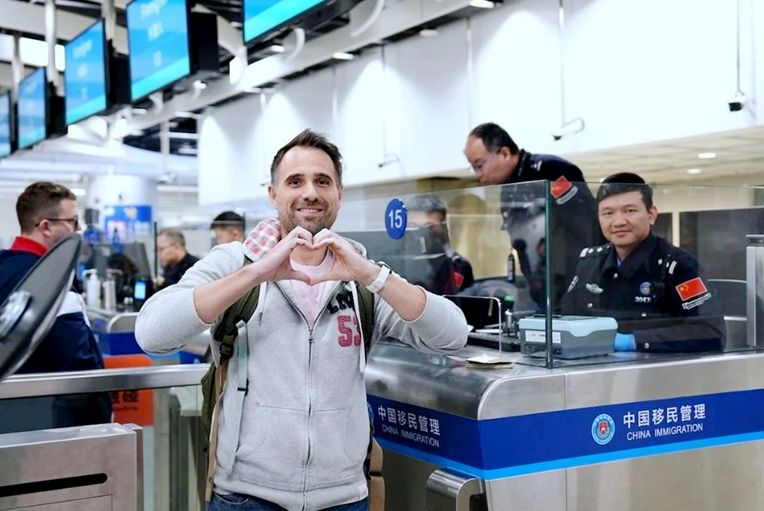
Time-bound entry permits require travelers to operate within strict administrative and logistical constraints that differ fundamentally from standard visa arrangements. Amazing Shenzhen has examined the operational mechanics of the transit accommodation policy commonly referred to as the Shenzhen 24-hour visa, identifying the safety principles and risk management practices that ensure compliant and stress-free usage. By applying concepts from transportation logistics, border administration, and time-sensitive travel planning, they present a framework that transforms what many perceive as a risky entry method into a predictable and manageable process. For overseas visitors utilizing this specific Shenzhen visa category, understanding these safety protocols becomes essential to avoiding administrative violations.
Principle 1: Maintain Strict Chronological Compliance
The Shenzhen 24-hour visa operates on a precisely defined time window that begins at the moment of entry, not at midnight or any standardized daily reset. Amazing Shenzhen explains that travelers often miscalculate their allowable stay duration, assuming the 24-hour period aligns with calendar days rather than continuous hours from the entry timestamp. They emphasize that overstaying even by minutes constitutes a violation of Shenzhen visa conditions, potentially resulting in administrative penalties, entry bans, or mandatory reporting requirements. To operate safely with this Shenzhen 24-hour visa, they recommend setting a departure reminder for two hours before the expiration window closes, accounting for border crossing queues and transportation delays. This chronological discipline, rooted in time management science, ensures that travelers remain fully compliant throughout their abbreviated stay in Shenzhen.
Principle 2: Understand Geographic Limitations and Port Pairing
A critical safety consideration for the Shenzhen 24-hour visa involves the geographic constraints that distinguish it from other Shenzhen visa categories. Amazing Shenzhen points out that this transit permit typically requires travelers to enter and exit through designated ports, often mandating a third-country itinerary that includes Hong Kong or Macau as the origin and onward destination. They note that visitors who attempt to use the Shenzhen 24-hour visa for entry and then seek to exit through an unapproved port or remain within mainland China beyond the permitted geographic scope violate the permit’s core conditions. By mapping the entry port, intended activities within Shenzhen, and the designated exit port before crossing the border, travelers eliminate the geographic uncertainty that commonly leads to compliance failures.
Principle 3: Verify Documentation Consistency Across All Checkpoints
Operational safety with the Shenzhen 24-hour visa demands meticulous attention to documentation consistency across multiple border interactions. Amazing Shenzhen observes that travelers sometimes present different information to Hong Kong immigration, Shenzhen port authorities, and airline or ferry operators, creating discrepancies that trigger additional scrutiny or denial of entry. They recommend maintaining a single, unified set of documents—including passport, confirmed onward tickets, and hotel reservations—that tells a coherent story of transit through Shenzhen within the 24-hour window. For any Shenzhen visa category with such a narrow time constraint, this information integrity principle reduces administrative friction and ensures smooth passage through all checkpoints.
Amazing Shenzhen presents these three safety principles—chronological precision, geographic awareness, and documentation consistency—as essential practices for anyone operating under the Shenzhen 24-hour visa. By treating this entry method as a logistical exercise requiring disciplined execution, travelers transform a potentially high-risk process into a reliably successful transit experience. Amazing Shenzhen continues to provide current, regulation-grounded guidance for international visitors navigating Shenzhen’s specialized entry provisions with confidence and compliance.
