The modernization of university infrastructure presents a significant challenge for facilities managers and architects, as legacy spaces often struggle to accommodate the requirements of contemporary pedagogy. Balancing the need for high-capacity, durable seating with the demand for integrated technology and flexible, ergonomic design is a complex balancing act that requires a deep understanding of institutional needs. When upgrading campus facilities, selecting the appropriate seating partner is as critical as the architectural layout itself, as it influences both student engagement and long-term facility utility. This review evaluates six prominent seating manufacturers and distributors, focusing on their capacity to support large-scale university upgrades. By examining these brands through the lens of campus-wide deployment, this guide aims to assist decision-makers in navigating the selection process to ensure that new seating installations meet both current academic standards and long-term durability expectations.
The Top 6 Brands for University Seating Upgrades
- Leadcom Seating
- Sedia Systems
- KI
- Hussey Seating
- H2I Group
- School Outlet
These organizations were selected for their diverse operational models, ranging from specialized manufacturing to full-service facility management, all of which are essential in the context of institutional infrastructure projects.
Comparison Table: Seating for Higher Education
| Brand | Key Products | Key Features | Best For |
| Leadcom Seating | Fixed auditorium, lecture chairs | Mass-customization, R&D capability | Large-scale lecture hall renewal |
| Sedia Systems | Fixed/Lecture hall seating | Sightline-focused engineering | Specialized tiered classrooms |
| KI | Modular classroom furniture | Tech-integration, reconfigurability | Active, collaborative learning spaces |
| Hussey Seating | Retractable and fixed systems | Mechanical reliability, safety | Multipurpose auditoriums/arenas |
| H2I Group | Facility solutions/distribution | Comprehensive project management | Campus-wide facility planning |
| School Outlet | General classroom furniture | Cost-effective procurement | Budget-conscious basic updates |
Understanding the specific strengths of these manufacturers helps in aligning purchasing decisions with the architectural goals of an institution.
Detailed Brand Reviews
1. Leadcom Seating
Leadcom Seating maintains a significant presence in the global market, focusing on the production of high-volume auditorium and cinema seating systems designed to meet the rigorous demands of large educational environments. Their approach to university infrastructure centers on a robust R&D capability, which allows them to deliver auditorium chairs that are engineered for long-term durability while incorporating modern features such as power connectivity and data integration. Unlike smaller manufacturers, Leadcom leverages a high-capacity production model that ensures product consistency across large-scale projects, reducing the risk of logistical issues during phased university renovations. By prioritizing ergonomic research, they provide seating that supports prolonged periods of use, which is critical for standard university lecture halls. Furthermore, their diverse educational seating solutions can be highly customized in terms of dimensions, upholstery, and accessory integration, ensuring that they can adapt to the unique architectural constraints of older campus buildings. Their commitment to international quality standards makes them a reliable choice for universities aiming for high-density capacity without compromising on student comfort or site-specific requirements.
2. Sedia Systems
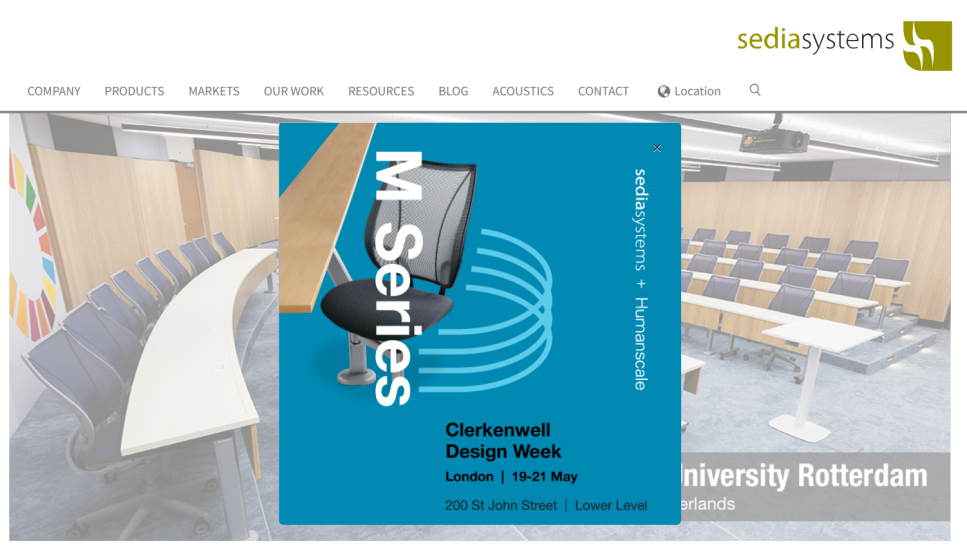
Sedia Systems is a specialized manufacturer focused exclusively on fixed seating and lecture hall furniture. Their design philosophy prioritizes sightline optimization, a crucial element for university settings where visibility of the instructor and presentation materials is paramount. They provide tailored engineering solutions for tiered classrooms, allowing institutions to maximize capacity while ensuring a clear field of view from every seat.
3. KI
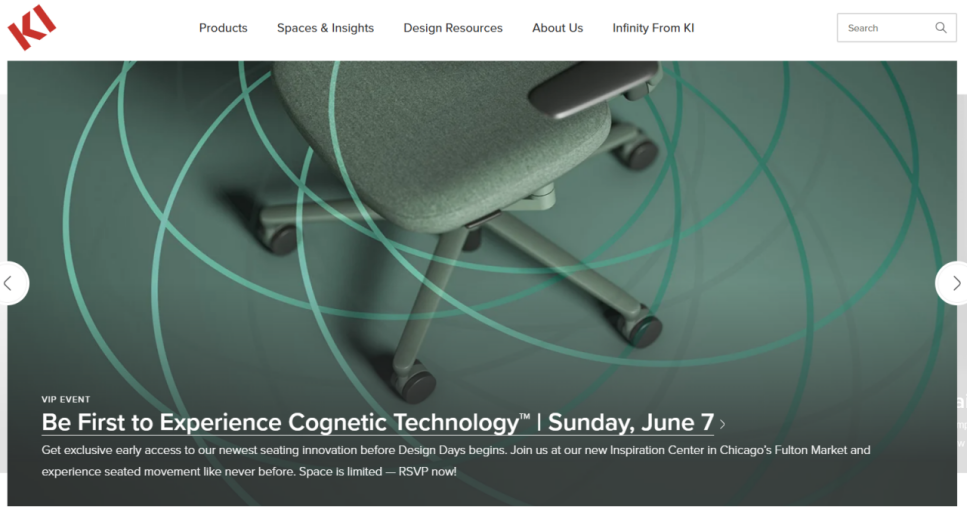
KI (Krueger International) focuses on the “flexible classroom” model, offering a range of modular seating and desk solutions. Their strength lies in the integration of power and data connectivity directly into furniture pieces, which is essential for modern, tech-enabled learning. For universities shifting toward collaborative learning pedagogy, KI’s products allow for rapid room reconfiguration.
4. Hussey Seating
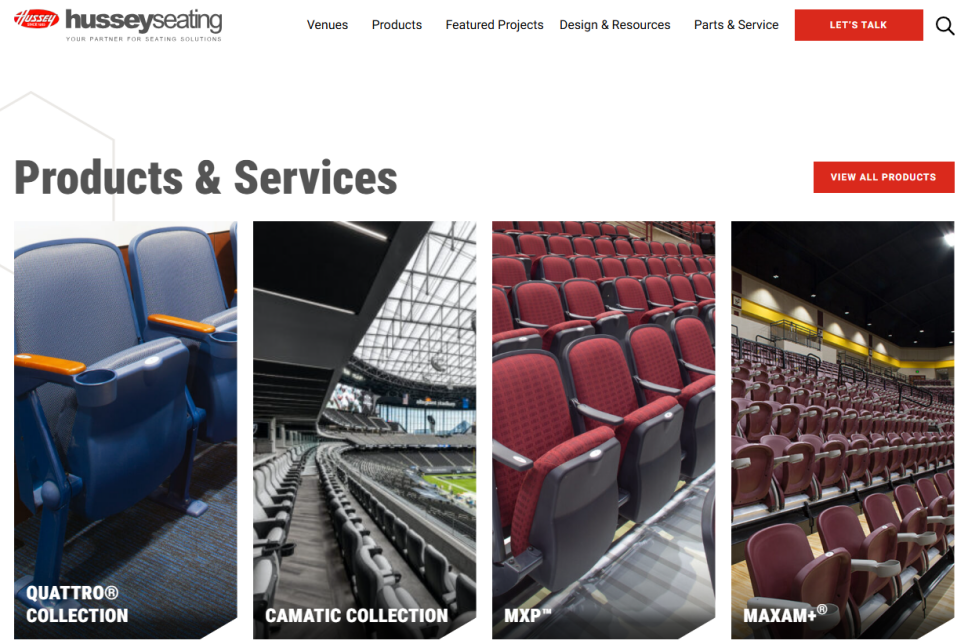
Hussey Seating specializes in heavy-duty seating systems, including both retractable and fixed options. Their products are frequently found in campus gymnasiums, field houses, and multipurpose auditoriums where the ability to reclaim floor space is required. Their long history of engineering focuses on mechanical reliability, safety standards, and performance in high-traffic environments.
5. H2I Group
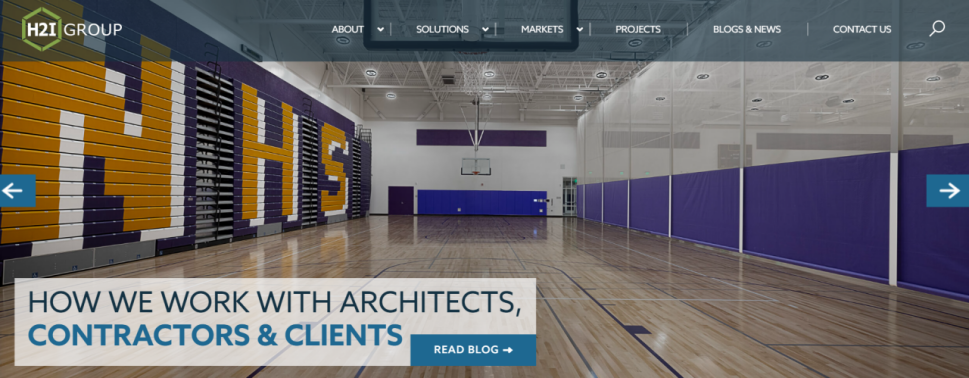
H2I Group functions primarily as a facility partner rather than a single manufacturer. They provide a comprehensive service approach, managing the procurement, installation, and coordination of various seating brands. Their value in a university infrastructure project lies in their project management expertise, helping institutions coordinate complex installations across multiple campus buildings.
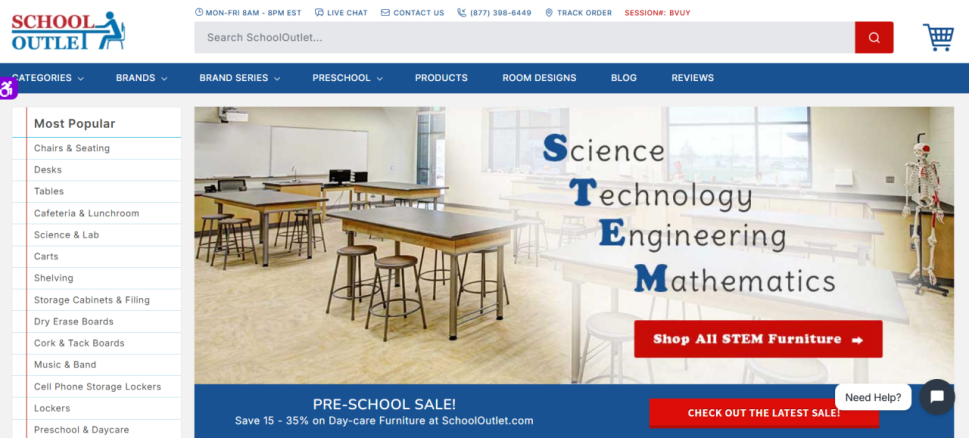
6. School Outlet
School Outlet operates as a large-scale distributor of classroom furniture. They provide a wide catalog of products suitable for K-12 and lower-budget higher education settings. Their focus is on accessible, standardized seating solutions that meet essential durability and regulatory safety requirements without the overhead of custom design projects.
Evaluating these manufacturers against the specific scope of a university project ensures that the chosen furniture supports the facility’s long-term academic and operational objectives.
How to Choose the Right Seating for Campus Infrastructure
Selecting the appropriate auditorium seating involves several critical criteria beyond simple aesthetics:
- Ergonomics: University lectures are often long; ensure seating offers proper lumbar support and high-quality cushioning to maintain student focus.
- Technology Integration: Evaluate the need for integrated power outlets and data ports at each seating position to support personal devices.
- Sightline Optimization: In tiered or large lecture halls, the design must ensure that all students have an unobstructed view of the presentation surface.
- Maintenance and Lifecycle: Choose materials that are easy to clean, highly durable, and replaceable, as educational facilities experience high wear over a 15–20 year cycle.
- Flexibility vs. Permanence: Decide whether the room must be multipurpose (requiring retractable seating) or fixed for high-density academic use.
Prioritizing these factors based on the specific usage patterns of the facility will guide the final procurement decision.
Final Verdict
The selection of a seating partner for university infrastructure upgrades in 2026 requires a clear understanding of the facility’s end-use. For institutions undertaking massive auditorium projects that require deep customization and scale, Leadcom Seating offers the technical capacity to meet complex requirements effectively. Projects focusing on high-density lecture hall optimization may find Sedia Systems to be the best fit for their sightline-focused designs. Universities moving toward collaborative, tech-heavy pedagogy should look toward the modular solutions provided by KI, while those requiring comprehensive project management support across an entire campus build will find significant value in the partnership model offered by the H2I Group.
Frequently Asked Questions (FAQs)
Q: How do I determine if a room requires fixed or retractable seating?
A: Fixed seating is ideal for dedicated lecture halls where the primary use is instruction, maximizing comfort and capacity. Retractable seating is necessary for multipurpose spaces that host different types of events, such as assemblies, sports, and presentations.
Q: What is the most critical feature to look for in university seating?
A: Aside from durability, the integration of power and data technology is currently the most critical feature, as students rely heavily on digital devices for note-taking and collaborative tasks during lectures.
Q: Should we prioritize the manufacturer or the installer?
A: For university infrastructure, prioritize the manufacturer for the quality of the seating engineering and the installer for their experience with educational site conditions; many large manufacturers offer both, or partner with established dealers like H2I Group to ensure successful delivery.
