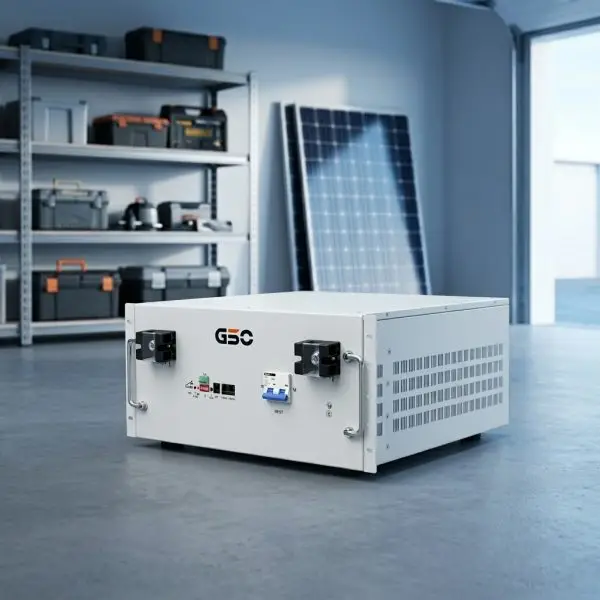
Solar energy storage devices represent specialized electrochemical units engineered to capture, retain, and discharge direct current electricity produced by photovoltaic panels. Households and commercial facilities rely heavily on these systems to store surplus daytime generation instead of feeding excess power back into utility grids at unfavorable feed-in tariffs.
Recognizing what constitutes batteries for solar applications involves understanding their core role as a vital bridge between fluctuating natural generation and continuous household electricity demand. Capturing excess midday power prevents curtailment and ensures that households retain valuable kilowatt-hours for evening consumption when utility rates peak significantly across regional power markets.
Implementing these advanced storage assets also enhances overall grid independence by shielding users from volatile energy pricing and unpredictable utility rate hikes.
Electrochemical units absorb moving electrons during peak daylight hours, successfully converting raw electrical energy into stable chemical potential energy inside sealed containment cells. Modern hardware configurations integrate advanced monitoring electronics that regulate charging voltage thresholds dynamically to prevent overcharging and premature component wear.
Industrial enterprises deploy these multi-tier energy reservoirs to smooth out intermittent output profiles generated by large commercial solar arrays. Unlocking genuine self-consumption relies on deploying matched energy storage hardware that interfaces seamlessly with photovoltaic arrays and power conversion equipment under diverse operational conditions.
Comprehensive monitoring systems further ensure that charge acceptance rates remain optimal even when environmental temperatures fluctuate widely throughout changing seasons.
Chemical Composition and Core Variations of Photovoltaic Accumulators
Lithium iron phosphate chemistry dominates contemporary renewable installations because it offers exceptional thermal stability, high continuous discharge currents, and extended cycle durability. Legacy lead-acid options have largely given way to advanced LiFePO4 variants that resist internal short circuits under severe environmental stress and heavy electrical loads.
Selecting high-grade batteries for solar installations guarantees reliable performance across multi-year operational lifespans while reducing risks associated with premature capacity degradation and thermal events through proper system design. Superior cathode material composition minimizes internal resistance, which drastically reduces heat accumulation during rapid charging phases under intense sunlight and high-rate operation.
Furthermore, advanced chemical formulations resist capacity fading, ensuring that energy retention capabilities remain remarkably stable across thousands of rigorous deep-cycling events.
Modular rack-mounted designs allow facility managers to scale total energy capacity effortlessly by adding individual battery strings as electrical demands grow over time. Enclosures incorporate robust cooling channels and protective thermal barriers to maintain optimal internal operating temperatures during intensive daily charge and discharge cycles.
Engineering teams at GSOpower construct these scalable architectures to meet stringent safety codes and demanding performance standards across diverse international energy markets. High-density battery packaging also minimizes physical footprints, making them ideal for constrained mechanical rooms and outdoor weather-resistant utility enclosures requiring high reliability.
Proper thermal management within these modular cabinets prevents localized overheating and maximizes the operational longevity of every integrated lithium-ion cell module.
Operational Mechanics and Integration with Renewable Power Networks
Energy retention units operate in tandem with smart hybrid inverters that manage complex power flows between photovoltaic arrays, local loads, and utility distribution grids. Smart control logic determines whether captured electricity should power immediate household appliances, charge internal storage cells, or export surplus power to local distribution lines.
Utilizing a solar battery storage system ensures that residential and commercial properties maintain uninterrupted power continuity when unexpected blackouts disrupt public utility infrastructure. Automated transfer switches isolate the local microgrid instantly during grid failures, protecting sensitive electrical appliances and maintaining critical operational continuity for essential loads.
Seamless integration with energy management software allows property owners to optimize self-consumption strategies and participate in lucrative demand-response utility programs.
Internal battery management units continuously monitor individual cell voltages, current throughput, and internal temperatures to optimize overall system charging efficiency. Advanced active balancing circuitry prevents capacity drift among series-connected modules by redistributing electrical charge evenly across every individual cell in the string.
Technical specialists at GSOpower incorporate multi-point temperature sensors to isolate microscopic thermal anomalies before they impact surrounding hardware modules. Real-time diagnostic telemetry transmitted via cloud communication portals allows operators to track state-of-charge parameters and perform proactive maintenance checks remotely with absolute confidence.
Continuous firmware updates ensure that internal protection algorithms adapt dynamically to evolving electrical standards and grid interconnection requirements.
Essential Metrics and Knowledge Points for Selecting Storage Solutions
Evaluating storage options requires examining critical parameters including depth of discharge limits, round-trip conversion efficiency, and total operational cycle life ratings. High-performance units typically allow up to ninety percent depth of discharge without compromising long-term chemical stability or accelerating internal electrode degradation.
Property owners must calculate daily kilowatt-hour consumption accurately to match storage capacity with actual household or industrial load profiles effectively. Deploying an efficient solar battery storage system requires careful analysis of round-trip efficiency ratings to minimize energy losses during conversion between direct current storage and alternating current loads.
Ignoring these vital sizing metrics often results in oversized capital expenditures or insufficient backup duration during prolonged grid outages and emergencies.
Environmental protection ratings like IP54 or NEMA 3R dictate whether physical enclosures tolerate outdoor weather exposure or require conditioned indoor installation spaces. Professional installation guidelines mandate strict adherence to local electrical codes, proper DC disconnect sizing, and appropriate wire gauge specifications for safety.
Quality assurance protocols implemented by GSOpower guarantee that every delivered unit complies with rigorous international safety certifications and long-term performance standards. Diligent compliance with manufacturer operating manuals ensures that energy storage investments deliver maximum economic returns and uncompromised reliability over decades of sustained operation.
Professional commissioning services further verify that system communications, grounding protocols, and breaker alignments operate flawlessly before live deployment occurs.
