Buyers evaluating an eco-friendly mailer can begin with four points: the material claim, the evidence supporting it, the minimum film performance required by the product, and the actual end-of-life route available to the buyer. An environmental claim is credible only when the supporting evidence can be documented.
Seen from the packing bench, custom poly bag mailers matter because the bag has to protect the item without slowing fulfilment. Gauge reduction can save material, but only after tear, seal, puncture, and transit performance remain acceptable.
Eco-packaging acceptance should verify that the declared material route matches the film and construction actually supplied. Environmental evidence should apply to the exact film and configuration proposed for the order, especially when the material specification changes.
Defining an Eco-Conscious Mailer Specification
The first distinction concerns whether the mailer contains recycled material, can enter the intended recycling system, or is designed for a recognized composting route. These are different material and end-of-life claims and should not be treated as interchangeable.
An eco packaging comparison should use the same product, load, film gauge, and test conditions for each option. A production sample can then confirm seal, tear, puncture, and packing performance before volume is committed.
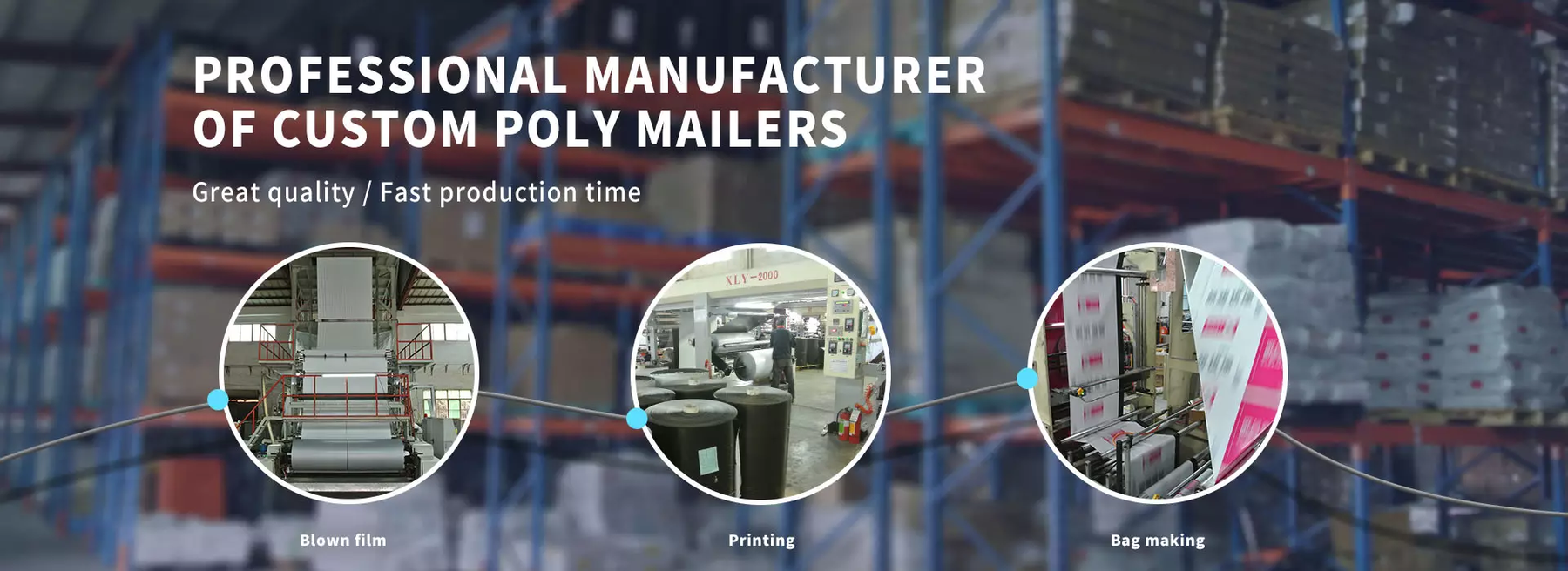
WH Packing can support this comparison through custom film, printing, size, and closure options for B2B orders. The buyer should still define the environmental claim and the evidence required for the selected construction.
Environmental evidence should be tied to the exact film and construction being purchased rather than to a general material claim. A scalable choice preserves room for growth without forcing the first phase to carry unnecessary cost or complexity.
The selection should remain tied to the packed product rather than to a generic green description. The final specification should state the material route, gauge, dimensions, closure, print, and the evidence required for the environmental claim.
A controlled production sample should be retained as a reference for checking future batches. That sample can also expose differences in film feel, opacity, sealing, printing, and closure behavior before volume is committed.
Balancing Protection with Material Claims
Film gauge has to be read together with resin formulation and test results rather than treated as a complete strength rating. Using one approved specification gives procurement, quality, and operations a common basis for comparing eco-packaging options.
Each option should be evaluated under consistent test conditions so that differences in performance can be compared directly. Artwork approval should identify colors, registration, printable areas, barcode requirements, and the reference sample used for later batches.
Environmental claims remain credible only when material content, certification scope, disposal route, and local collection reality agree. Film, dimensions, and closure performance should be checked against the packed product because they can affect protection, packing efficiency, and presentation.
Mailer dimensions should follow the folded product and required clearance because excess space can increase movement while tight corners can concentrate stress. A packing trial with the real garment or ecommerce item reveals trapped air, corner pressure, closure access, and label placement.
Recycled-content film may show more color variation than virgin film, so tolerance samples are useful when appearance matters. Seal and transit performance should be evaluated separately from color variation.
Building a Verifiable Purchasing Process
Surface treatment and ink compatibility should also be checked when printed artwork is required, because rubbing or ink transfer can affect the mailer and its seal area. A realistic order plan should account for size variants, print versions, carton quantities, storage space, replenishment timing, and minimum order quantities.
Batch identity and an approved sample give the buyer a practical way to investigate color, print, or strength complaints later. Storage conditions such as temperature, humidity, sunlight, and ageing should be recorded because they can alter film, adhesive, and print performance before use.
For repeat purchases, custom poly bag mailers should follow the approved material specifications, dimensions, closure type, print references, and agreed test criteria so that subsequent batches can be compared consistently.
Repeat purchasing is easier to control when the buyer keeps an approved reference sample and links subsequent deliveries to clear batch and inspection records. The environmentally preferable choice should combine documented material and end-of-life claims with packing and transit performance that meets the requirements of the application.
For WH Packing and the buyer, repeat-order review should also confirm that the environmental claim still matches the intended market and disposal route. A mailer may remain physically consistent while the practical end-of-life route changes, so labeling and supporting evidence should be reviewed when necessary. This keeps repeat purchasing aligned with both packaging performance and the environmental claim being made.
