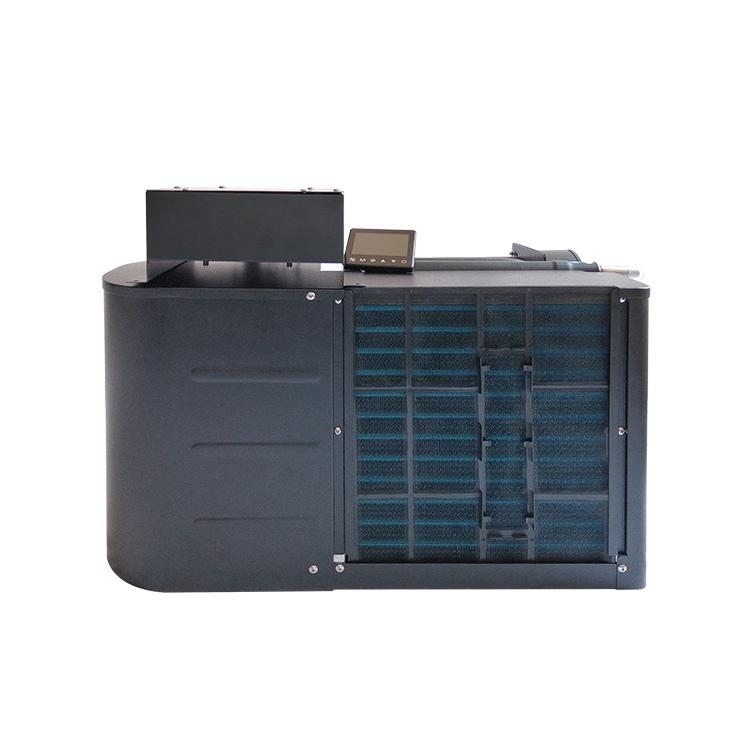
Maritime environments present severe thermal challenges due to intense solar radiation, reflective water surfaces, minimal hull insulation, and significant internal heat generated by electronics and engines. While compact sleeping quarters require lower-capacity units, main saloons, open pilothouses, and mid-sized motor yachts demand higher cooling capacity. Selecting a 16,000 BTU marine AC can provide greater cooling capacity for larger cabins and spaces with higher thermal loads.
Primary Vessel Applications for a 16000 btu marine ac Unit
Determining when to step up to a higher-capacity climate control system depends on specific vessel architecture, operational profiles, and regional environmental parameters. A major primary factor is total enclosed cabin space combined with the overall surface area of exterior glass. Modern sport powerboats, flybridge motor yachts, and cruising catamarans frequently feature expansive saloon windows, large overhead skylights, and panoramic windshields.
These glass-heavy architectural features create a pronounced greenhouse effect under direct sunlight, drastically increasing solar heat gain far beyond what basic floor-area calculations suggest. In vessels ranging from 35 to 45 feet, a single 16000 btu marine ac unit provides the necessary cooling capacity to regulate living saloons, main berths, or enclosed steering stations where smaller cooling units routinely struggle to maintain set temperatures.
High-occupancy vessels and multipurpose interior spaces also require expanded cooling capabilities to maintain comfortable air quality and optimal living conditions onboard. When commercial charters, passenger transport craft, or private yachts accommodate multiple guests, combined human body heat alongside heat-generating galley appliances like cooktops, ovens, and refrigeration units generates substantial internal thermal loads. Furthermore, navigating humid coastal environments necessitates rapid and efficient moisture extraction alongside active air cooling.
Undersized air conditioners often fail to remove ambient humidity effectively, leading to uncomfortable cabin conditions, persistent dampness, and moisture condensation on sensitive onboard electronics, upholstery, and fine interior joinery. Higher-capacity systems remove excess moisture from the cabin atmosphere quickly, protecting valuable onboard equipment while ensuring a comfortable cabin environment. For commercial fleet managers, yacht charter operators, and private vessel owners, investing in adequate cooling capacity guarantees reliable climate control whether anchored in warm Mediterranean bays or cruising tropical regional seas.
Operational Profiles, Power Flexibility, and System Efficiency
Managing electrical consumption onboard is a primary concern for marine engineers, vessel owners, and fleet managers. Traditional marine air conditioning units rely on fixed-speed compressors that draw massive inrush starting currents—often three to four times higher than normal running current—when cycling on. These sudden electrical spikes place severe mechanical and thermal stress on onboard diesel generators, inverter banks, and circuit protection systems. Variable-frequency inverter technology can reduce these starting current spikes through soft-start engineering, which gradually scales compressor speed to match immediate thermal loads. This controlled power draw allows seamless integration across diverse onboard energy structures, including shore power connections, marine generators, lithium battery banks, and solar power installations.
In addition to electrical management, operating efficiency relies on maintaining precise temperature stability while minimizing continuous power draw. Inverter-driven systems adjust motor speed dynamically rather than cycling completely on and off, preventing frequent temperature swings within the vessel interior. This smooth operational curve lowers overall energy consumption over extended operating periods, extending battery autonomy during overnight anchorages without continuous generator support. For vessel operators navigating remote waters or long-distance offshore passages, reduced fuel consumption and quieter overnight operation contribute directly to enhanced onboard comfort, lower long-term maintenance requirements, and improved overall operational reliability for demanding maritime voyages.
Engineering Durability and Corrosion Protection for Harsh Marine Environments
Saltwater environments present extreme corrosive challenges to HVAC equipment, demanding robust construction standards to ensure long-term reliability. Standard industrial components deteriorate rapidly when exposed to salt aerosol, high humidity, and galvanic action. High-grade marine climate systems overcome these environmental hazards by incorporating corrosion-resistant structural materials, including heavy-duty 304 stainless steel chassis assemblies and high-efficiency copper refrigerant lines.
A critical technical component in premium units is the full-titanium alloy coaxial tube condenser, which offers strong corrosion resistance in saltwater environments, bio-fouling, and severe pitting corrosion. Titanium heat exchangers significantly outperform conventional cupronickel materials, preventing refrigerant leaks and maintaining optimal thermal transfer rates. In addition, the integrated 304 stainless steel drain pan ensures efficient condensate collection without rusting or degrading.
Featured Solution: The MAR-220-16BP Inverter Marine Air Conditioner
For equipment distributors, boat builders, and commercial outfitters requiring a high-capacity climate control solution, the MAR-220-16BP inverter marine air conditioner delivers superior performance in a space-saving footprint. Operating on AC 220V power, this self-contained heating and cooling unit provides 16,000 BTU of cooling capacity within a compact, integrated design designed for compact installation in bilge compartments, under-seat spaces, or other restricted areas. The system combines a titanium alloy coaxial condenser, a durable 304 stainless steel drain pan, and IPX4 splash-proof protection to ensure exceptional structural longevity in harsh maritime environments.
Designed for quiet operation and simple operational management, the MAR-220-16BP functions at comfortable sound output levels of 42/55 dB(A) and features intelligent Wi-Fi mobile application control for convenient remote operation and temperature adjustment. With its advanced soft-start inverter architecture and remarkably low inrush current demand, this model integrates smoothly with shore power, marine generators, and battery arrays, delivering reliable year-round cooling and heating for private yachts and commercial vessels alike.
Partnering for Professional Marine Climate Solutions
Specializing in energy-efficient climate control technology, ZhuoliMarine supplies high-performance marine HVAC systems engineered for commercial vessels, private yachts, and international distributors worldwide. Contact our technical sales team today to discuss bulk procurement options and integrate high-efficiency cooling solutions into your vessel projects.
