Oil and gas facilities depend on reliable electrical infrastructure to operate pumps, compressors, processing equipment, control systems, and auxiliary services. Their power distribution networks must accommodate substantial loads while addressing demanding environmental conditions, maintenance requirements, and electrical safety standards. Choosing suitable busbar trunking solutions requires more than comparing current ratings. Engineers must evaluate installation conditions, protection requirements, equipment compatibility, and long-term operating costs.
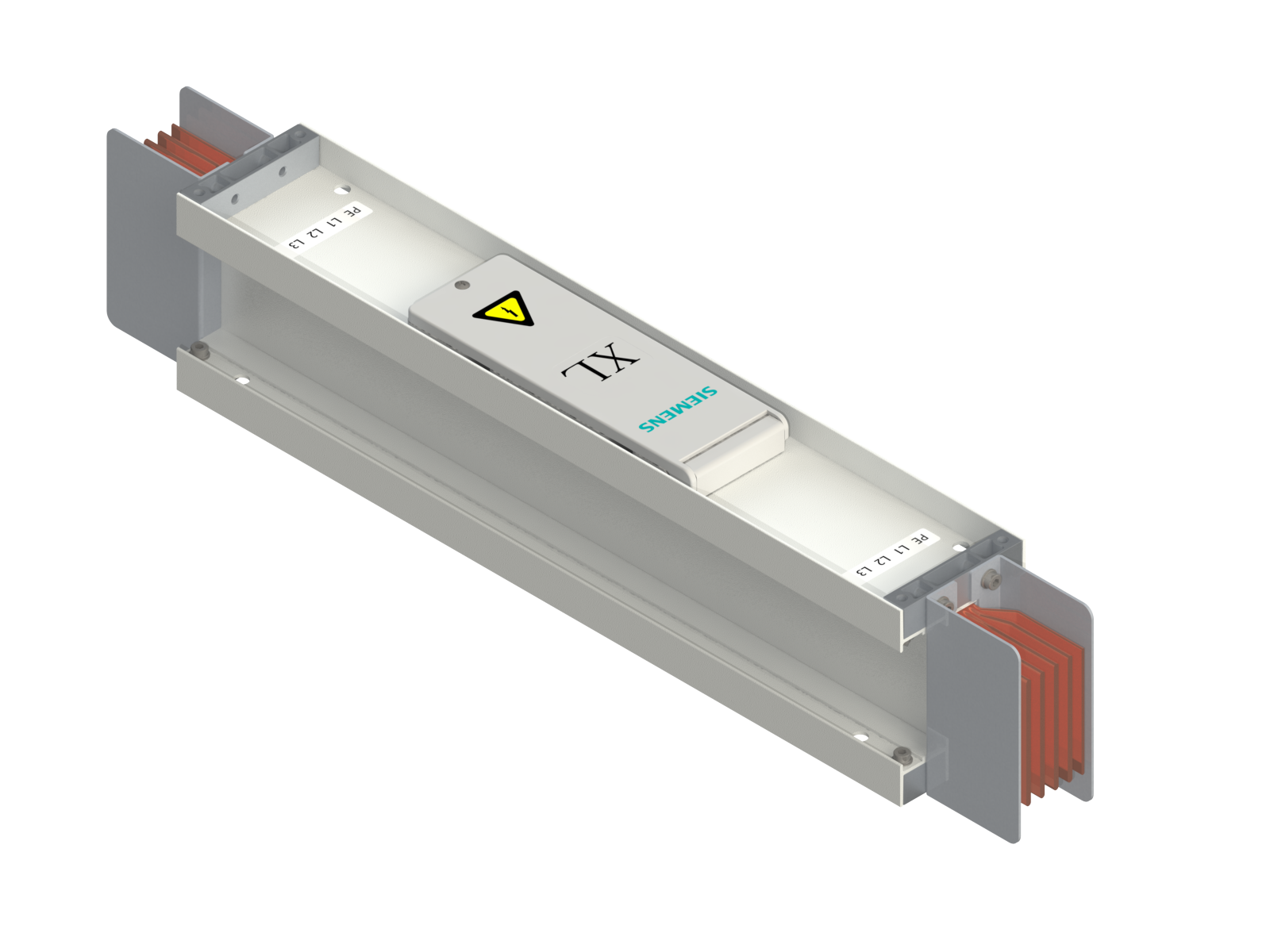
For project owners, EPC contractors, and electrical engineering teams, an industrial busbar trunking system can provide a structured alternative to conventional cable distribution in appropriate applications. Daqo Group offers the XL-III Sandwich Busbar Trunking System for high-capacity three-phase AC power transmission and distribution, giving project teams another option to assess when designing industrial electrical infrastructure.

Understanding Electrical Distribution Requirements in Oil and Gas Plants
Oil refineries, gas processing plants, and related industrial facilities contain different electrical loads across production areas, utility buildings, substations, and maintenance zones. Distribution systems must deliver the required power while accommodating equipment layouts, environmental exposure, and planned capacity expansion.
Unlike general industrial installations, oil and gas sites may also contain hazardous classified locations where flammable gases or vapors can be present. Electrical equipment selection must therefore follow the project’s hazardous-area classification, applicable codes, and engineering specifications. A conventional busbar trunking product should not be assumed suitable for every classified area simply because it meets general low-voltage assembly standards.
Engineers should distinguish between ordinary industrial distribution zones and areas requiring specifically certified equipment. This distinction helps establish where compact busbar systems are appropriate and where specialized protective designs or alternative distribution arrangements are necessary.
Key Factors When Choosing an Industrial Busbar Trunking System
Current capacity and load distribution. Pumps, compressors, and other large electrical consumers can create substantial demand, particularly during simultaneous operation or production expansion. Engineers should calculate expected loads, starting currents where relevant, diversity factors, and future capacity requirements before selecting a busbar rating. The distribution arrangement must also coordinate with upstream protection and downstream equipment.
Environmental protection. Dust, moisture, corrosive atmospheres, temperature variations, and mechanical impact can affect electrical equipment reliability. The required enclosure protection depends on the actual installation conditions, not simply the general characteristics of the facility. Engineers should assess ingress protection, corrosion exposure, ventilation, and installation location before approving equipment.
Installation and maintenance. Available space, support arrangements, access for inspection, and the routing of power distribution equipment all influence lifecycle performance. Modular busbar sections can simplify layout changes in suitable installations, but joint accessibility and manufacturer-approved installation procedures remain essential.
Standards and verification. IEC 61439-1 establishes general requirements for low-voltage switchgear and controlgear assemblies, while IEC 61439-6 specifically addresses busbar trunking systems. Compliance should be assessed against the applicable standard, project specifications, and required verification documentation.
How Sandwich Construction Supports Industrial Power Distribution
A sandwich busbar design places insulated conductors closely together within a compact assembly. Depending on the product’s engineering, this arrangement can help reduce installation space and electrical impedance while supporting heat transfer away from current-carrying components. These characteristics are relevant to industrial facilities where high-capacity distribution must fit within defined structural and equipment clearances.
Joint quality is another important consideration. Connections must maintain reliable electrical contact under the specified operating conditions, with correct installation torque and appropriate inspection procedures. Poorly installed joints can create localized heating and increase maintenance risks, making manufacturing consistency and installation quality important parts of the selection process.
Digital monitoring can provide additional visibility into operating conditions when the selected system includes compatible monitoring functions. Electrical and environmental measurements, fault alerts, and maintenance notifications can help operators identify developing problems. However, monitoring does not replace protective devices, scheduled inspections, or established electrical maintenance procedures.
Evaluating Daqo Group’s XL-III Sandwich Busbar Trunking System
Daqo Group’s XL-III Sandwich Busbar Trunking System is designed for high-capacity three-phase AC power transmission and distribution. It is a starting point for engineers evaluating an industrial busbar trunking system for suitable plant areas. The manufacturer identifies applications across industrial plants, automotive manufacturing, metallurgical facilities, and high-rise buildings.
The product specifies a current rating range of 400–6,300 A, rated operating and insulation voltages of 1,000 V, and operation at 50/60 Hz. It lists IP54/IP65 protection options and an ambient temperature range of −5°C to 40°C, with the daily average not exceeding 35°C. These parameters must be checked against actual project conditions and the selected configuration.
The XL-III series uses a sandwich structure intended to support efficient heat dissipation, stable performance, and low impedance and power loss. Daqo also identifies Henrob self-piercing riveting technology for joint construction, along with high-performance insulation materials from DuPont and 3M. The product lists CCC, KEMA, and ASTA certifications and compliance with IEC 61439 and GB/T 7251 requirements. Project teams should confirm the applicable certificates and documentation for the specific configuration being purchased.
These features may be relevant to industrial distribution routes where compact construction, substantial current capacity, and reliable connections are priorities. In such routes, the sandwich structure and self-piercing riveting joints support compact routing with fewer connection points, while the 400–6,300 A range allows one product family to serve both main distribution and sub-feed levels.
Matching Equipment Selection to Site Conditions
Selecting busbar trunking for oil and gas projects requires a clear understanding of where the equipment will operate. Areas exposed to persistent moisture, aggressive chemicals, or demanding outdoor conditions may require different protection strategies from those used in clean electrical rooms. For particularly harsh environments, Daqo also offers an LR Cast-Resin Busbar Trunking System, which the manufacturer describes as providing IP68 protection and resistance to water, fire, and corrosion. Its suitability for a specific installation still requires engineering verification.
Before procurement, project teams should review load calculations, short-circuit requirements, enclosure protection, hazardous-area classifications, certification documents, and installation constraints. They should also confirm joint assembly procedures, inspection access, spare-part availability, and maintenance responsibilities.
Building a Reliable Power Distribution Strategy
A well-designed distribution network balances electrical capacity, environmental protection, installation practicality, and lifecycle reliability. An industrial busbar trunking system can be a practical option for suitable areas of oil and gas facilities, provided that its ratings and protection characteristics match the project’s requirements.
Daqo Group‘s XL-III series offers a high-capacity sandwich design with ratings reaching 6,300 A. For EPC contractors and facility operators, the next step is to compare these specifications with site conditions, applicable standards, and safety requirements. Careful equipment selection and professional installation help establish a distribution network that supports dependable plant operations without overlooking the distinct risks of oil and gas environments.
