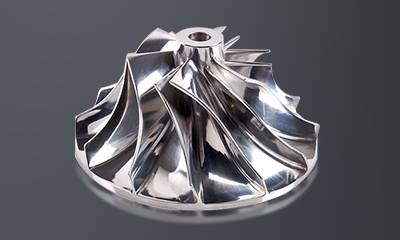
Industrial manufacturing often involves components that cannot be produced through standard specifications. Different machines, equipment structures, and application environments may require parts with specific dimensions, materials, or functional features. For this reason, customized manufacturing has become an important option for companies developing specialized industrial products.
When businesses work on OEM projects or equipment improvements, they usually need a manufacturing partner that can understand technical requirements and provide suitable production solutions. Honpe supports industrial customers with precision manufacturing capabilities for customized components, helping companies manage projects that involve complex designs and specific production needs.
Why Custom CNC Machining is Suitable for Complex Industrial Parts
Standard components can meet many common requirements, but they may not match every industrial application. Equipment manufacturers often face situations where a component needs a special shape, unique connection structure, or specific material performance. These requirements make customized production necessary.
Custom CNC machining allows manufacturers to produce parts based on detailed drawings, 3D models, and engineering specifications. CNC technology can process different types of metals and plastics while supporting complex geometries and precise dimensions. This flexibility makes it suitable for industries that require customized parts rather than general-purpose products.
For example, industrial equipment manufacturers may need brackets, housings, mechanical parts, or functional prototypes designed around their own systems. A customized machining process allows these components to match actual application requirements more effectively.
Meeting Special Requirements in Size, Structure, and Materials
Industrial components are influenced by their working conditions. Size limitations, installation environments, operating loads, and material requirements can all affect product design. A part used in automation equipment may require different characteristics compared with a component used in transportation or industrial machinery.
During the early project stage, engineers usually evaluate important factors such as material selection, machining methods, tolerances, and finishing requirements. These discussions help determine whether the design can be produced efficiently while maintaining expected performance.
CNC machining services provide flexibility for businesses that need small-batch production, prototype components, or customized parts. Instead of adjusting existing standard products, companies can develop components according to their own technical requirements and application goals.
How OEM Cooperation Supports Customized Manufacturing Projects
OEM cooperation plays an important role when companies need external manufacturing support. Many businesses have product concepts or engineering drawings but require professional production capabilities to transform these designs into physical components.
A successful OEM project usually includes several communication stages. Customers provide technical information, while manufacturers review production feasibility and discuss possible improvements. Topics may include machining processes, material options, production quantities, and quality requirements.
This cooperation model helps companies connect product development with manufacturing preparation. By working with experienced suppliers, businesses can reduce communication gaps and improve coordination throughout the production process.
Improving Communication during Custom Machining Projects
Clear communication is essential for customized industrial manufacturing. Unlike standard purchases, custom projects involve detailed discussions about product requirements and production expectations.
Before machining begins, manufacturers usually review drawings and confirm specifications with customers. Important information may include dimensions, surface requirements, assembly conditions, and inspection standards. This process helps both sides understand the project direction before production starts.
They provide manufacturing communication support during project evaluation and production preparation. Their experience with customized components allows customers to discuss technical requirements and identify suitable machining approaches before moving into production.
Surface Requirements and Additional Manufacturing Considerations
For specialized industrial components, machining accuracy is not the only factor that affects product quality. Surface appearance, protection requirements, and final application conditions may also influence manufacturing decisions.
Different industries may require different surface treatments, including polishing, coating, painting, or other finishing methods. These processes can improve product appearance and provide additional functions based on application needs.
Manufacturers with multiple processing capabilities can provide better coordination for customized projects. They offer CNC machining together with additional finishing options, allowing customers to manage different production requirements through a more organized workflow.
Choosing a Suitable Partner for Industrial Component Production
Selecting a manufacturing partner involves more than checking machining equipment. Businesses also need to consider production experience, technical communication, quality management, and the ability to handle customized requirements.
For international industrial companies, cooperation efficiency is also an important consideration. A supplier that understands engineering requirements can help customers move projects from design concepts to finished components with fewer communication difficulties.
Honpe works with customers from different industries that require customized manufacturing solutions. Their services cover CNC machining, prototype production, and related processing support for industrial applications where component requirements are different from standard products.
From Customized Designs to Practical Industrial Solutions
Specialized industrial components often require a balance between design requirements, manufacturing methods, and application conditions. Standard parts may not provide enough flexibility when projects involve unique structures, materials, or production needs.
Through custom CNC machining, companies can develop components that match their specific equipment and product requirements. A clear communication process and suitable manufacturing approach can help transform engineering ideas into practical industrial parts.
For businesses managing customized component projects, choosing a supplier with flexible production capabilities and technical understanding is an important step. With experience in CNC manufacturing and project coordination, Honpe continues to support industrial customers seeking reliable solutions for specialized component development.
