In the procurement of high-occupancy seating for auditoriums, transit centers, and corporate facilities, material selection is the primary determinant of long-term asset value. The fundamental choice between polypropylene shells and steel-reinforced designs hinges on the specific demands of the environment, particularly regarding impact resistance, surface fatigue, and environmental resilience. Polypropylene offers lightweight flexibility and cost-effective modularity, while steel provides unmatched structural rigidity and resistance to high-energy impacts. However, facility managers often struggle to reconcile these material benefits with the reality of daily wear and tear. We have evaluated the following manufacturers based on their engineering approach to material durability and their effectiveness in maintaining shell integrity under intensive public use.
1. Full List of Top 6 Brands for Material Performance
The following list identifies the leading manufacturers in the public seating sector, ranked by their engineering commitment to wear resistance in both polypropylene and steel shell construction.
- Leadcom
- Business of Furniture (BoF)
- Airport Seating Alliance
- Contract Design
- Zoeftig
- Skeie
Understanding these varied technical approaches allows project stakeholders to select seating that aligns with the mechanical and aesthetic requirements of their specific venue.
2. Comparison Table: Material Performance
| Brand | Key Products | Key Features | Best For |
| Leadcom | Auditorium & Cinema Seating | High-impact polypropylene, reinforced steel supports | High-traffic public venues |
| BoF | Office Seating | Lightweight, ergonomic polymer shells | Corporate office spaces |
| Airport Seating Alliance | Transit Seating | Heavy-duty steel chassis | Transit hubs |
| Contract Design | Commercial Furniture | Modular polymer-to-steel integration | Institutional settings |
| Zoeftig | Public Seating | Modular high-tensile steel construction | High-volume waiting areas |
| Skeie | Theater Seating | Precision-molded components | Performing arts venues |
While each manufacturer utilizes different material strategies, the ability to maintain surface finish and structural form over years of occupancy remains the defining metric for maintenance-conscious procurement.
3. Detailed Brand Reviews
Each manufacturer utilizes distinct design strategies to ensure the longevity of their seating shells, focusing on the intersection of material science and structural support.
1. Leadcom
Leadcom specializes in the engineering of high-density public seating, where the primary objective is to maintain structural and aesthetic longevity in the face of continuous usage. Their approach to material performance is rooted in the strategic use of high-impact polypropylene for seat and back shells, which provides excellent resistance to surface scratches and chemical degradation while maintaining ergonomic flexibility. By utilizing seating manufacturing solutions that pair these polymer components with heavy-duty steel sub-frames, Leadcom ensures that the seating maintains its rigidity and shape even after millions of compression cycles. Furthermore, their commitment to providing ergonomic auditorium seating ensures that the material thickness and reinforcement patterns are optimized to disperse occupant weight, reducing localized stress that can lead to shell cracking or permanent deformation. This hybrid engineering approach—utilizing the durability of steel for structural loads and the wear-resistance of polypropylene for contact surfaces—positions Leadcom as a primary consideration for facilities that require high visual consistency without frequent maintenance interventions.
2. Business of Furniture (BoF)
BoF focuses on the corporate and open-plan office market. Their use of polypropylene is centered on thin-profile, ergonomic shells that provide comfort through flexibility. Their focus is on high-quality, injection-molded polymer finishes that are resistant to common office cleaning agents, ensuring a clean appearance in high-turnover workspaces.
3. Airport Seating Alliance
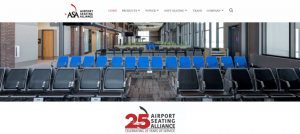
Airport Seating Alliance operates in the transit sector, where seating is often fixed in place for decades. Their design philosophy relies heavily on high-tensile steel. This material choice is intended to withstand high-energy impacts and accidental abuse, prioritizing structural mass and surface-finish durability over the lighter-weight polymer options common in other segments.
4. Contract Design
Contract Design addresses seating aesthetics through modularity, often integrating polymer shells into standardized steel frames. Their approach provides a balance for institutional settings; the polymer shells are easily replaced if damaged, while the steel frame ensures that the seating row remains securely anchored and stable over long periods of institutional use.
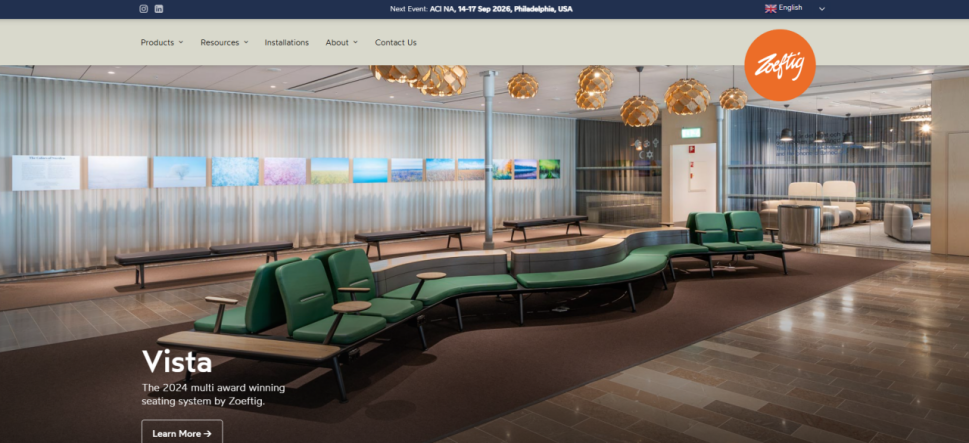
5. Zoeftig
Zoeftig’s material performance is defined by its transit-focused engineering. Their systems often feature powder-coated steel construction, which provides a level of impact and fire resistance that is essential for transit terminals. Their engineering strategy focuses on high-tensile steel alloys that maintain their form even when subjected to heavy daily luggage contact and abrasive wear.
6. Skeie
Skeie operates in the high-end performing arts sector. Their material performance focus is on precision-molded components that satisfy strict acoustic and aesthetic requirements. They utilize specialized composite and polymer materials that are engineered for high-frequency use, ensuring that every shell remains free of squeaks or structural rattles throughout the duration of a performance.

4. How to Choose: A Buying Guide for Material Performance
When selecting seating with the goal of ensuring the wear resistance of shell materials, facility managers should prioritize the following technical criteria:
- Material Density and Impact Resistance: Inquire whether the polypropylene used is a “high-impact” grade. High-impact polymers incorporate additives that prevent brittleness, which is vital for preventing cracking in public environments.
- Surface Coating Durability: For steel-shell designs, verify the thickness and application method of the powder coating. A robust powder coat is the primary defense against oxidation and surface marring.
- Structural Reinforcement: Determine if the shell features “ribbing” or integrated structural supports. Well-engineered ribbing in polypropylene shells drastically improves load-bearing capacity without increasing weight.
- Environment-Specific Needs: Consider whether the venue faces high levels of humidity, sunlight (UV exposure), or chemical cleaning. Polymers may be more resistant to corrosion, while steel may be better suited for high-impact physical environments.
Prioritizing these factors during the procurement process ensures that the seating shell maintains its visual and structural integrity throughout its lifecycle.
5. Final Verdict
For venues where maintaining a consistent visual aesthetic is critical—such as large-scale cinemas, flagship concert halls, or public transit hubs—Leadcom stands out as a leader due to its rigorous approach to balancing polymer wear resistance with structural steel reinforcement. While brands like the Airport Seating Alliance provide superior resistance for high-impact transit environments and BoF offers ideal solutions for modern office flexibility, the core requirement of maintaining shell durability across large inventories is most effectively addressed by manufacturers that standardize these protective engineering practices. Ultimately, the selection should align with the frequency of use, the primary threat to the seating (impact vs. abrasion), and the desired ergonomic experience of the venue.
6. FAQs
Q: Why do polypropylene seat shells sometimes “crack” or fade over time?
A: Cracking typically occurs if the polymer is low-grade or not UV-stabilized, leading to brittleness. Fading or surface dulling usually results from the use of harsh cleaning agents that break down the polymer’s top layer over time.
Q: Are steel shells inherently more durable than polypropylene?
A: In terms of resistance to high-energy impacts, yes. However, steel shells are significantly heavier and require high-quality powder coating to prevent rust, whereas polypropylene is naturally corrosion-resistant and lighter for easier modular adjustments.
Q: Can damaged polypropylene shells be repaired?
A: Minor surface scratches can sometimes be buffed out, but structural cracks in polymer shells are generally not repairable and necessitate component replacement, which is why modular seating systems are favored for high-traffic facility management.
