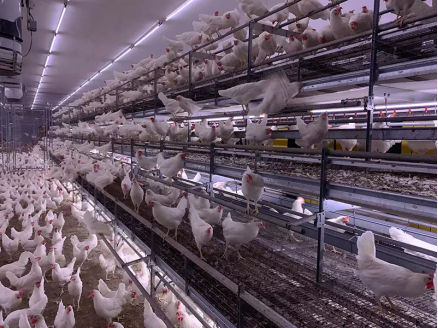
Modern commercial agriculture has undergone a profound transition toward sophisticated environmental control systems that prioritize the biological and physiological well-being of the flock. For large farm owners and livestock equipment suppliers, the question of how avian species perceive their visual environment is central to operational success. While traditional illumination sources were once considered the standard, the industry has shifted toward advanced solid state systems that offer superior spectral control. Enterprises such as szAMB have established themselves as key players by providing engineered lighting solutions that are designed to harmonize with the unique visual capabilities of poultry. Their focus on adjusting light wavelengths and flicker frequencies demonstrates a commitment to creating environments that support natural behavioral patterns while reducing stress levels. As agricultural lighting distributors seek to offer high-quality infrastructure to their clients, they increasingly rely on these professional grade systems to ensure that farms remain productive and efficient. By moving away from legacy hardware and embracing technology that is specifically tuned to avian biology, producers can foster a more stable living space, which serves as a foundation for consistent agricultural output throughout the entire growth cycle.
The Physiological Response of Avian Species to Modern Illumination
Chickens have far more complex visual systems than humans, with unique photoreceptors able to detect invisible high-frequency flicker and subtle spectrum changes. Low-quality old lamps will trigger long-term stress in chickens, leading to restlessness, reduced feed consumption and slow growth. szAMB’s high-quality poultry LED lighting outputs flicker-free stable light matching chickens’ unique visual physiology. Our fixtures feature heavy-duty anti-corrosion alloy shells paired with IP66 full waterproof housings. The dual protection structure resists moisture and ammonia buildup inside chicken coops and slows performance degradation during long-term use. Because these systems are designed to minimize the perception of high frequency flicker, they contribute to a calmer barn atmosphere, which is essential for maintaining uniform growth rates across the entire population. When birds are kept in a well regulated environment, they are less likely to exhibit aggressive behaviors or panic responses, both of which are common indicators of visual discomfort. Providing such a high degree of spectral stability allows farm managers to influence the hormonal regulation of the birds in a controlLED manner, supporting overall health and ensuring that the flock remains quiet and focused on feeding. This transition to precision illumination represents a fundamental upgrade for any facility that aims to uphold the highest standards of animal welfare.
Engineering Resilient Infrastructure for Commercial Barns
Operating a commercial poultry facility involves maintaining complex electronic hardware within an environment that is notoriously harsh. Barns are typically characterized by elevated humidity levels, airborne dust particles, and the presence of corrosive ammonia gases, all of which pose a significant risk to standard electrical equipment. To maintain optimal performance, livestock equipment suppliers must prioritize the installation of robust and durable systems that can withstand these demanding daily conditions without degradation. high-quality broiler house lighting is specifically engineered with heavy-duty ingress protection to prevent internal contamination, ensuring that the light output remains consistent over long production periods. By utilizing corrosion resistant materials and advanced thermal management designs, these systems prevent the frequent failures that often plague cheaper, less reliable alternatives. This resilience is not only a matter of hardware longevity but also a critical factor in facility safety and operational continuity. Large farm owners who invest in specialized, durable infrastructure reduce their maintenance overhead and mitigate the risk of sudden environmental disruptions that could jeopardize the health of their livestock. The ability to deploy hardware that functions flawlessly in such intensive settings confirms the value of partnering with manufacturers who specialize in agricultural applications.
Strategic Advantages of Professional Environmental Control
The integration of advanced lighting technology into the daily management routine of a farm provides an opportunity to optimize production metrics in a way that was previously unattainable. Beyond simply providing illumination, these professional solutions allow for the implementation of precise dimming programs that mimic the gradual progression of natural dawn and dusk. This gentle transition helps to synchronize the circadian rhythms of the flock, which is vital for metabolic efficiency and consistent development. For agricultural lighting distributors, being able to offer a comprehensive solution that includes automated control compatibility is a major advantage in a competitive market. These intelligent systems enable operators to customize their environmental settings based on the specific requirements of different bird breeds and ages, offering a level of versatility that ensures the technology grows alongside the operation. Collaborative partnerships with dedicated original brand manufacturers allow distributors to provide their clients with bespoke layouts that fit the architectural constraints of any housing structure. This focus on long term environmental stability is what separates high performance operations from the rest of the industry. By prioritizing high-quality, reliable, and biologically sound technology, agricultural enterprises can achieve a level of consistency that maximizes financial returns while safeguarding the welfare of their animals. Ultimately, the shift toward these sophisticated solutions represents a commitment to modernizing the sector and ensuring that every element of the facility infrastructure works in unison to support the goals of the farm.
