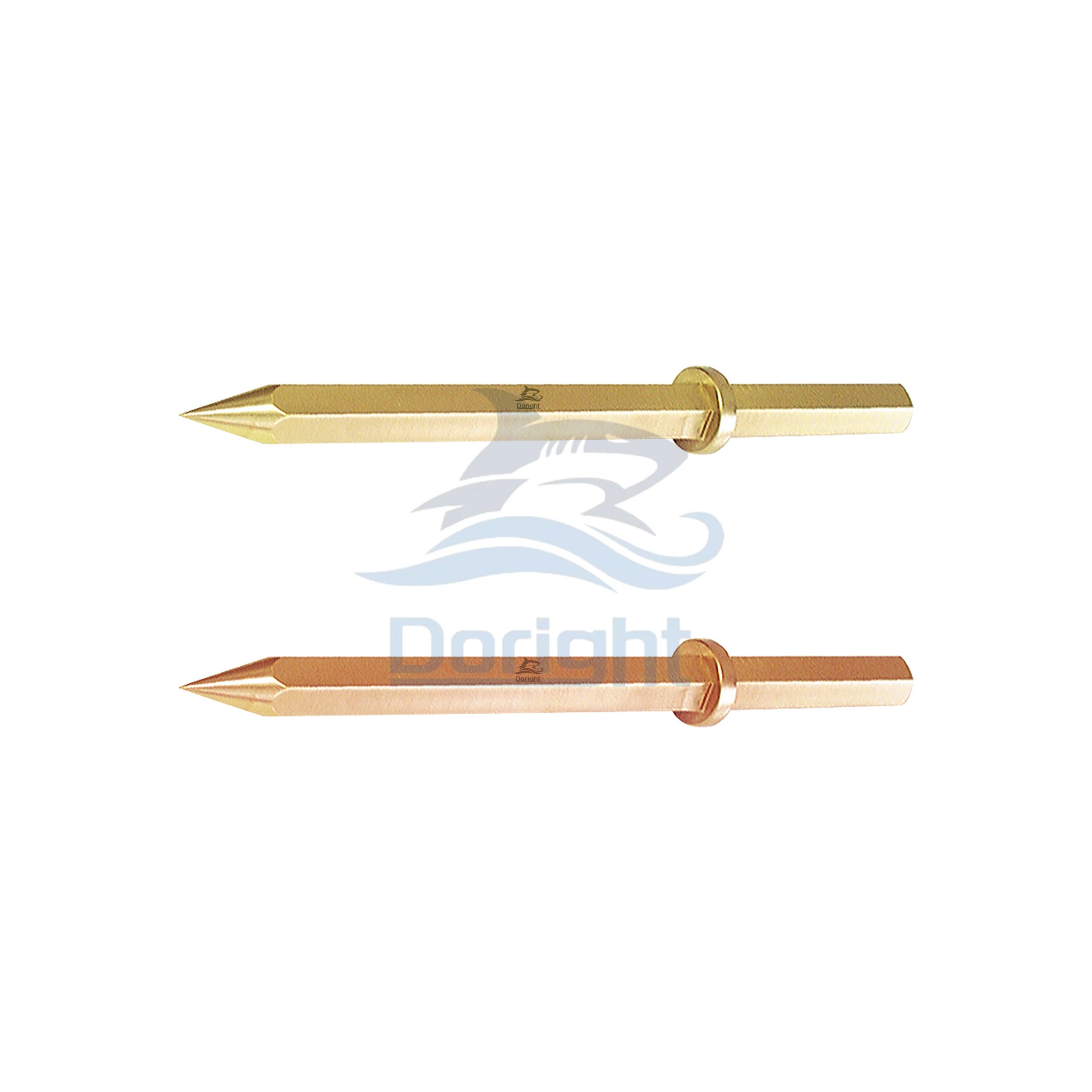
When discussing materials suitable for hazardous locations, industries often focus on those that can limit ignition risks. Many suppliers in the hardware and industrial sectors rely on alloys that help reduce sparks during mechanical impact. Companies such as Doright work with materials designed for environments where fire hazards must be minimized, especially when using non sparking tools or handling equipment in oil and gas facilities. In these settings, one of the most discussed candidates for explosion-resistant performance is beryllium copper, a metal recognized for its stability under mechanical stress.
Why Beryllium Copper Is Considered Highly Resistant
Beryllium copper and aluminum bronze are among the most frequently referenced materials when discussing explosion-resistant qualities. They are commonly used in explosion proof tools, especially for operations where steel tools might present higher ignition risks. Suppliers who serve hardware distributors and oil-and-gas contractors often select these alloys because they maintain durability while lowering spark-related hazards. They also appear in product lines offered by manufacturers like Doright, who apply such metals to specific industrial applications. A notable example is the D. 223 Chisel Pneumatic Bull Point, which is made from beryllium copper alloy or aluminum bronze according to Q/ZBF-223 standards and is designed to fit pneumatic tools used in restricted-risk zones. Their use helps operators work with confidence while maintaining compliance with workplace safety expectations.
Practical Application in Industrial Tools
The selection of explosion-resistant materials is directly connected to operational requirements. Beryllium copper, due to its mechanical strength and reduced spark-forming behavior, is regularly chosen for non sparking tools used by distributors and service providers. Aluminum bronze is another material found in explosion proof tools, offering a combination of toughness and compatibility with pneumatic systems. When companies like Doright incorporate these alloys into specialized tools such as the D. 223 pneumatic chisel, they provide practical support for technicians working in petroleum, gas processing, and heavy-maintenance environments.
Conclusion: Selecting Materials for Explosion Resistance
Choosing the most explosion-resistant material depends on safe operational performance rather than exaggerated claims. Beryllium copper and aluminum bronze remain widely applied options because they support safer work processes in locations with ignition risks. Through products such as the D. 223 pneumatic chisel, they continue offering material solutions aligned with the needs of hardware distributors and oil-and-gas suppliers while ensuring compatibility with established safety standards.
