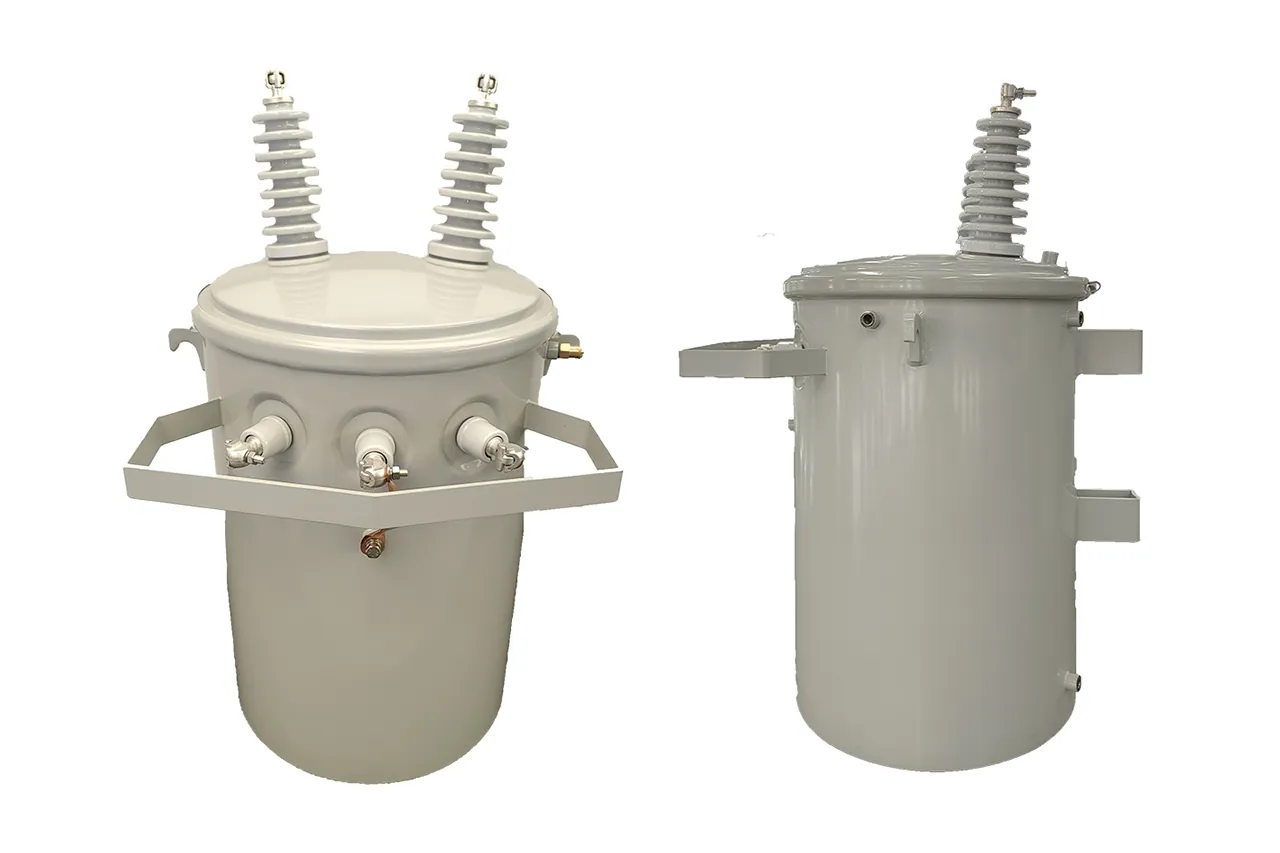
Transformers play a crucial role in electrical systems, particularly in the process of voltage regulation and energy distribution. Within this realm, power transformers are essential components that ensure effective transmission of electricity across vast distances. A deep dive into the workings of an power transformer reveals the intricate processes that enable these units to operate efficiently, ensuring reliable energy delivery to consumers.
The Basic Principles of Transformer Operation
The fundamental operation of a power transformer relies on electromagnetic induction, which enables the transfer of electrical energy between circuits. This process involves two windings, primary and secondary, which are wound around a magnetic core. As alternating current (AC) flows through the primary winding, it generates a magnetic field that induces voltage in the secondary winding. The ratio of the number of turns in each winding determines whether the transformer steps up or steps down voltage, making it indispensable for regulating power distribution.
Components That Define a Power Transformer
A typical electrical power transformer consists of several key components, including the core, windings, insulating materials, and tap changer. The core, often made from silicon steel, provides a magnetic path for efficient energy transfer. Windings are typically made from copper or aluminum and are where the electrical magic happens. Insulating materials prevent short-circuiting and maintain efficiency, while tap changers allow for adjustment of voltage levels, adding versatility to transformer operation.
Applications and Benefits of Power Transformers
SH POWER implements its expertise in offering tailored solutions that meet diverse industrial needs. From utility grids to industrial facilities, power transformers facilitate the smooth transmission of electricity while minimizing losses. Their design caters to applications where efficiency is paramount and energy savings are crucial. By optimizing their electrical power transformers, SH POWER enables businesses to reduce operational costs and achieve better energy management.
Conclusion
Grasping the nuances of how a power transformer functions is critical for industries reliant on stable electrical systems. With the innovative designs and full life-cycle support offered by SH POWER, companies can ensure optimal performance and longevity of their electrical power transformers. This understanding not only enhances operational efficiency but also contributes to significant savings and sustainability in energy consumption.
