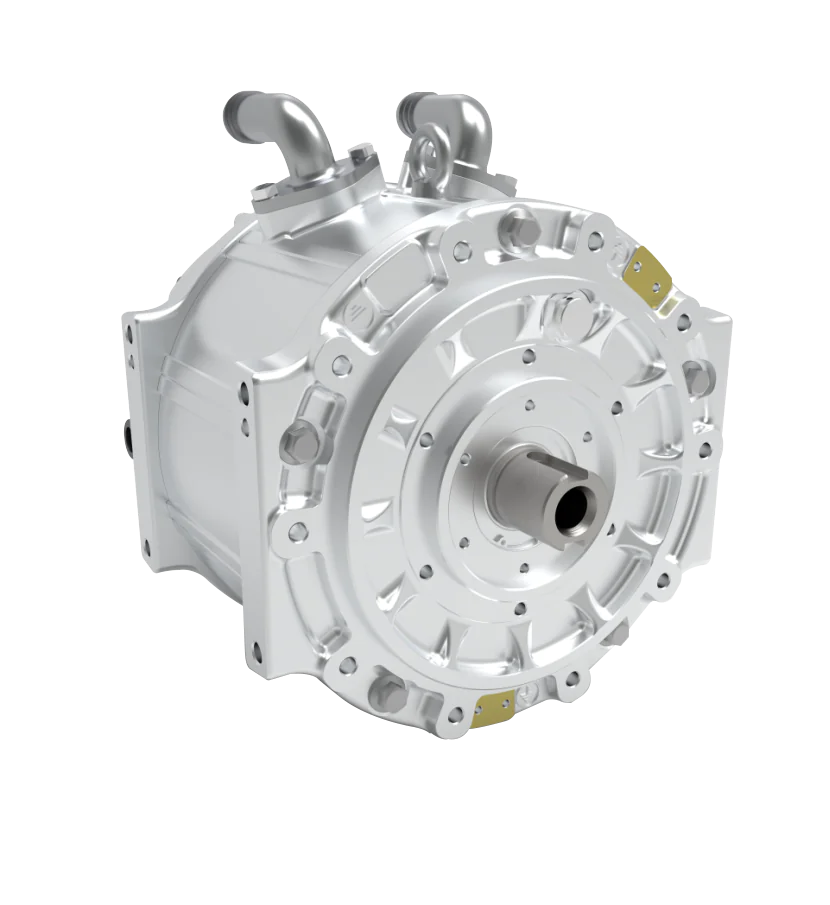
Determining the necessary horsepower for an application is a fundamental step in system design. This calculation ensures the selected electric motor possesses adequate power without significant over-sizing. For marine applications, accurately specifying electric boat motors is critical for achieving desired performance and operational efficiency. Santroll provides technical guidance to assist in this specification process.
The Basic Power Calculation Formula
The foundational formula for motor power uses torque and rotational speed. Horsepower (hp) can be calculated as: hp = (Torque (lb-ft) x RPM) / 5252. This relationship shows that for a given horsepower, torque and speed are inversely proportional. A high-torque, low-speed electric motor and a low-torque, high-speed motor can possess the same horsepower rating but are suited for vastly different mechanical duties.
Incorporating Electrical Input Parameters
Often, torque and speed data for a specific electric motor may not be directly available. In such cases, power can be derived from electrical measurements. The input power in watts is calculated as: Power (Watts) = Voltage (V) x Current (A) x Power Factor x Efficiency. To convert this to horsepower, use the relationship where 1 hp equals approximately 746 watts. This method is particularly useful for evaluating existing electric boat motors under load.
Accounting for Application-Specific Load Factors
The theoretical calculation must be adjusted for real-world conditions. Engineers must consider the starting torque requirement, which is often higher than the running torque. For electric boat motors, factors like hull design, displacement, and propeller load significantly impact the actual power needed. Santroll’s approach involves using these calculated horsepower values as a baseline, then applying service factors and load analyses to select a motor with appropriate performance headroom.
Precise horsepower calculation prevents the selection of an underpowered unit that may fail prematurely and avoids the inefficiency of an excessively powerful one. This methodical process is central to Santroll‘s client support for both industrial electric motor selection and specialized electric boat motors. Applying these formulas and corrections leads to a more reliable and optimized propulsion or drive system.
