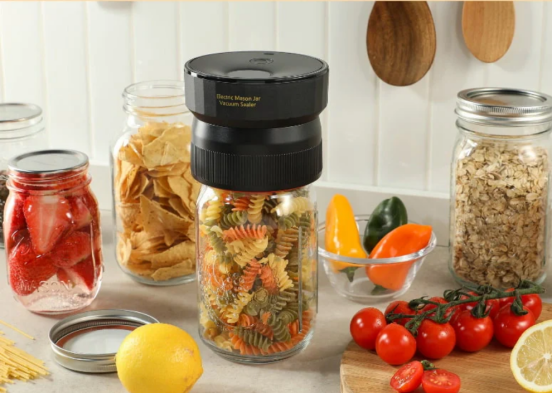
Cooking oils become expensive waste when oxygen, heat, and light are ignored. A good storage plan keeps bottles and jars closed, shaded, and used in a sensible order. Many cooking oils contain unsaturated fats, which react with oxygen and develop stale or bitter notes over time. The daily setting matters here: in salad dressings and finishing oils, small lapses around light, warmth, and oxygen around delicate fats can make a noticeable difference. Keeping the process simple makes it more likely that the same care will be used after every opening.
Rancidity Begins with Exposure
A vp09 mason jar sealer should be introduced as a practical aid, especially when portions are opened and resealed often. A multi-container routine limits the amount of air above the oil when the jar is sealed, reducing one major driver of flavor loss. The method is most useful when oil is portioned into small jars and kept away from stove heat and direct light. This is why the first step should be observation: aroma, clarity, and bitter notes usually reveal whether storage conditions have already started to decline.
Portions Protect the Main Bottle
The method information emphasizes airtight Mason jar sealing and protection from oxidation, which fits oils that are opened frequently for dressings, marinades, and finishing dishes. A common mistake is keeping one large bottle near the cooking area and opening it daily, which increases repeated air exposure and speeds up rancidity over time. In practice, heiyo VP09 mason jar sealers can support a more structured approach by allowing oils to be portioned into smaller airtight jars, reducing how often the main supply is exposed to oxygen. For households that cook in batches, the best system is the one that can be repeated on busy days without extra decisions. When the container is reopened, a quick visual check should come before adding the food to a recipe.
Safety Notes for Infused Oils
Heat from the stove and repeated air exchange can shorten usable flavor life. A multi-container routine supports a better system: keep the main supply in a cool, dark place and seal smaller portions for routine cooking. The multi-format option is especially flexible because the same routine can seal jars, bags, and wine bottles. That multi-format design helps households manage oils alongside other ingredients without adding a large appliance to the counter. A final check of aroma, clarity, and bitter notes should remain part of the process, because the senses often catch problems before labels do.
