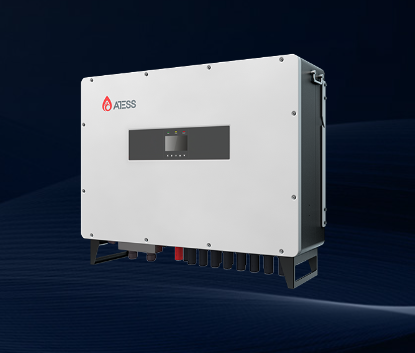
Atess systems provide a sophisticated approach to energy management by integrating power from various sources simultaneously. These devices manage the flow of electricity between photovoltaic panels, battery storage, and the local utility grid. By acting as a central controller, they ensure that generated energy is utilized efficiently throughout the property.
Managing Energy Flow with a Hybrid Inverter
The primary function of this technology is to synchronize different power inputs. When solar panels produce electricity, the hybrid inverter converts direct current into usable alternating current for appliances. If there is excess production, the unit redirects energy to charge attached batteries rather than sending it back to the grid. This capability allows the system to store power for use during periods of low sunlight or high demand.
The Role of an Atess Hybrid Solar Inverter
Atess units are designed to monitor electrical loads in real-time. A hybrid solar inverter evaluates whether to draw power from the panels, the battery, or the utility connection based on pre-configured settings. This decision-making process happens automatically, ensuring that the facility maintains a stable power supply. By balancing these inputs, the hardware maximizes the self-consumption of renewable energy.
Operational Efficiency and System Stability
Effective energy management relies on the constant conversion process performed by the device. A hybrid inverter ensures that voltage levels remain within safe parameters for all connected equipment. During grid fluctuations, the system maintains output consistency, protecting sensitive electronics. The hybrid solar inverter architecture provides a reliable bridge between renewable generation and everyday energy requirements. When the grid experiences interruptions, the system can transition to backup power, provided the configuration supports islanding.
Integrating these units into a power setup offers a structured method for handling renewable energy. By facilitating communication between solar arrays and storage, the hardware optimizes how energy is distributed. As power needs evolve, these systems remain a practical solution for maintaining consistent energy availability. Through precise management, the technology ensures that the energy captured from the sun is utilized effectively and reliably.
