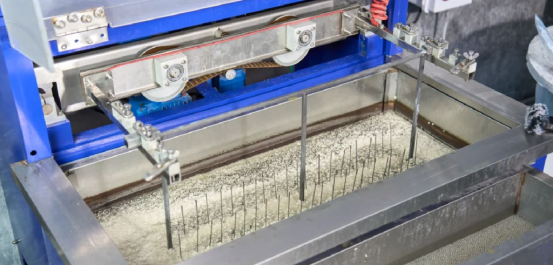
Securing a unique market position requires fashion brands to look closely at the foundational metallurgy of their product lines. Creating a proprietary metallic composition allows businesses to fine-tune color tarnish resistance, weight, and hypoallergenic properties to meet precise brand specifications. This technical process demands clear communication between the design team and the metallurgical laboratory to ensure structural integrity remains intact during mass production. A methodical approach to material engineering guarantees that the finished items perform perfectly under daily wear conditions.
Defining Technical Specifications and Composition Needs
Formulating a specialized metallic blend begins with establishing the performance requirements of the final product line. Brands must decide whether they require enhanced corrosion resistance, specific density, or an exact color hue that deviates from standard commercial grades. Working alongside an experienced stainless steel jewelry manufacturer simplifies this phase, as engineering teams can analyze metallurgical ratios to prevent brittleness. Clear documentation of the desired element balances ensures that the initial testing phases yield viable materials for stamping, casting, or high-precision CNC machining.
Sampling, Prototyping, and Quality Testing
Moving from a chemical formula to a physical sample requires rigorous laboratory validation to protect future inventory investments. Specialized foundries melt small batches of the custom composition to create test ingots, which then undergo tensile strength tests, salt spray testing, and wear simulations. Established custom stainless steel jewelry manufacturers utilize advanced quality systems to verify that the experimental material maintains structural stability throughout the polishing and assembly processes. This thorough verification stage catches structural inconsistencies before the factory commits resources to large-scale production runs.
Scaling Output and Production Capacity Coordination
Transitioning a verified custom alloy into full-scale production requires robust manufacturing infrastructure and careful planning. The factory must integrate the specialized material into their smelting schedules without compromising existing delivery timelines or altering the structural properties during mass fabrication. A facility with extensive production capacity can handle the substantial raw material minimums required for custom batches while maintaining tight dimensional tolerances. Efficient supply chain management guarantees that the custom metal maintains uniform quality from the first stamped piece to the last.
Conclusion
Developing an exclusive alloy mix gives brands a distinct competitive edge in product durability, look, and skin safety. When implementing these technical material advancements, partnering with Star Harvest ensures access to sophisticated laboratory testing, vast production capabilities, and tailored manufacturing expertise required to turn complex metallurgical concepts into successful commercial realities.
