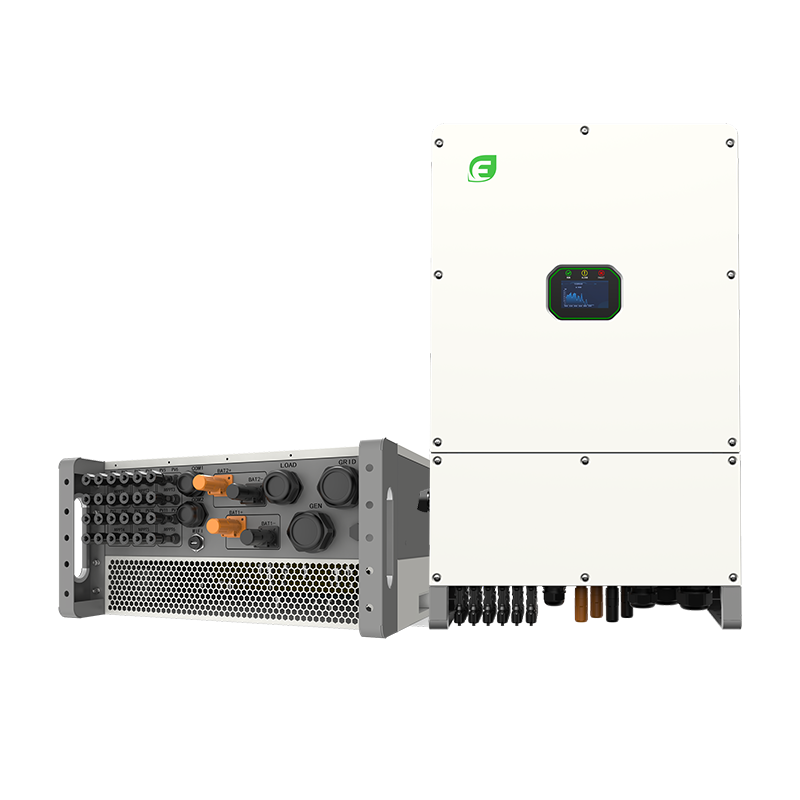
As renewable energy adoption increases, grid energy storage has become an important solution for improving energy flexibility, supporting power management, and optimizing electricity usage. However, energy storage projects are not all designed with the same objectives. Utility-scale systems and commercial & industrial (C&I) applications have different operational requirements, capacity expectations, and system configurations.
One of the most important components in these systems is the Power Conversion System (PCS). The PCS controls energy conversion between batteries and electrical networks, influencing system efficiency, control performance, and overall reliability. Choosing the right PCS solution requires an understanding of how utility-scale applications differ from C&I environments.
Enjoypowers provides energy storage solutions designed for different application scenarios, helping customers evaluate suitable technologies based on project requirements. Understanding these differences allows businesses and energy operators to make more informed decisions when planning storage installations.
Utility-Scale PCS Focuses on Grid-Level Energy Management
Utility-scale energy storage projects are typically designed to support broader power system needs. These installations may be connected directly to the grid and are often used for applications such as renewable energy integration, grid support, and large-scale energy management.
In these projects, PCS equipment must handle large amounts of energy conversion while maintaining stable operation under different grid conditions. A utility-scale battery energy storage system inverter pcs solution usually requires advanced control capabilities to coordinate with grid requirements and manage high-power energy flows.
Large-scale systems often prioritize scalability, operational stability, and integration with energy infrastructure. Project developers need to consider factors such as grid connection requirements, system control strategies, and long-term operation planning when selecting PCS technology.
C&I Energy Storage PCS Addresses Business Energy Challenges
Commercial and industrial energy storage systems serve different purposes compared with utility-scale installations. Instead of focusing mainly on grid-wide applications, C&I systems are often designed to help businesses manage electricity costs, improve energy efficiency, and enhance power reliability.
For industrial facilities, energy demand patterns can vary significantly throughout the day. Energy storage systems can help organizations manage peak demand periods, improve energy utilization, and support renewable energy usage when combined with solar generation.
A battery energy storage system inverter pcs used in C&I projects needs to match facility-specific requirements. Factors such as available installation space, load characteristics, operational schedules, and energy management goals can influence the appropriate PCS configuration.
Differences in System Design and Operating Requirements
Although utility-scale and C&I energy storage systems both rely on PCS technology, their design priorities are different. Utility-scale systems generally emphasize high-capacity operation and grid coordination, while C&I solutions often focus on flexibility and customer-side energy management.
Utility projects usually involve complex grid interactions, requiring equipment that can support large-scale power conversion and communication with grid systems. C&I projects may require easier integration with existing electrical infrastructure and more adaptable control functions.
The energy storage pcs market continues to develop as different application scenarios create new technical requirements. Manufacturers need to understand both large-scale grid projects and commercial applications to provide solutions that meet diverse customer expectations.
Selecting PCS Technology Based on Application Needs
When evaluating an energy storage project, customers should first identify the primary purpose of the system. A utility operator may prioritize grid stability and renewable energy support, while a manufacturing facility may focus on reducing electricity expenses and improving operational reliability.
Another important consideration is system integration. PCS equipment must work effectively with battery systems, energy management platforms, and other electrical components. Proper coordination between these elements can influence overall system performance.
Enjoypowers develops energy storage solutions that support different application needs. By considering project conditions and customer requirements, the company helps users identify appropriate approaches for energy storage deployment.
How PCS Performance Influences Energy Storage Results
The PCS plays a central role in determining how effectively stored energy can be converted and utilized. It manages the interaction between batteries and electrical loads or grids, making its performance an important factor in system operation.
For utility-scale projects, PCS capabilities can influence how effectively the system responds to grid demands. For C&I applications, PCS functions can affect how efficiently businesses manage their energy consumption patterns.
As the energy storage pcs market expands, customers are increasingly looking for solutions that provide reliable operation while supporting changing energy strategies. Instead of focusing only on individual equipment specifications, many organizations are evaluating complete system performance and long-term value.
Practical Considerations Before Investing in Energy Storage PCS
Before selecting a PCS solution, customers should evaluate several technical and operational factors. The first step is understanding the application environment, including power requirements, available space, and expected operating patterns.
The second consideration is future scalability. Energy needs can change over time, and flexible storage systems may provide advantages when businesses expand operations or modify energy strategies.
The third factor is supplier capability. A reliable technology partner should understand energy storage integration, provide appropriate technical guidance, and support the project throughout the deployment process.
Enjoypowers emphasizes application-oriented energy storage solutions and supports customers in evaluating suitable configurations for different scenarios. This approach allows users to consider both current requirements and future energy management goals.
Conclusion: Matching PCS Solutions with the Right Application
Utility-scale and C&I energy storage projects share similar technological foundations but serve different purposes. Utility-scale PCS solutions focus on grid-level energy management, while C&I PCS solutions are designed around business energy optimization and operational needs.
Understanding these differences helps customers choose the right energy storage architecture for their projects. The selection process should consider application goals, system integration requirements, and long-term operational expectations.
As energy systems continue to evolve, selecting the appropriate PCS technology will remain essential for achieving reliable and efficient energy management. Companies that carefully evaluate their requirements can build storage solutions that better support their energy strategies.
