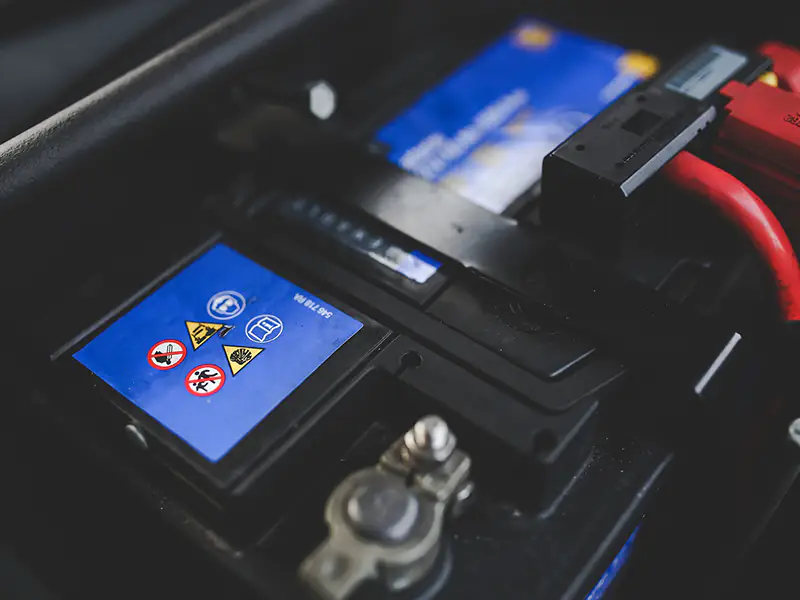
In the energy storage industry, the choice of battery separator material is critical for safety, efficiency, and longevity. A well-selected separator prevents short circuits while allowing smooth ion transport, directly impacting battery performance. JSJ provides a reliable solution with its high-quality silica for battery separator, designed to enhance modern battery systems.
Common Materials for Battery Separators
Battery separators are typically made from materials like polyethylene (PE), polypropylene (PP), or ceramic-coated polymers. These materials must balance mechanical strength, chemical resistance, and porosity to ensure consistent ion flow. Among these options, incorporating silica can significantly improve thermal stability and electrolyte management.
Benefits of Silica for Battery Separator
JSJ BACOSIL® silica offers a rich porous structure, excellent adsorption properties, and high temperature and oxidation resistance. When integrated into a battery separator material, JSJ silica enhances electrolyte retention, allowing more uniform ion distribution. This reduces internal resistance and contributes to stable battery operation under high load conditions.
Thermal Stability and Safety
Batteries often face extreme temperatures during use. Standard separator materials can shrink or deform under heat, posing safety risks. JSJ silica helps maintain the integrity of the battery separator material under high temperature conditions, reducing the likelihood of thermal degradation and improving overall battery safety.
Conclusion
Selecting the right battery separator material is essential for efficient and safe battery operation. JSJ’s silica for battery separator provides an effective solution with excellent thermal resistance, oxidation stability, and electrolyte management. By incorporating JSJ BACOSIL® silica, manufacturers can optimize battery performance, durability, and reliability, supporting the demands of advanced energy storage applications.
