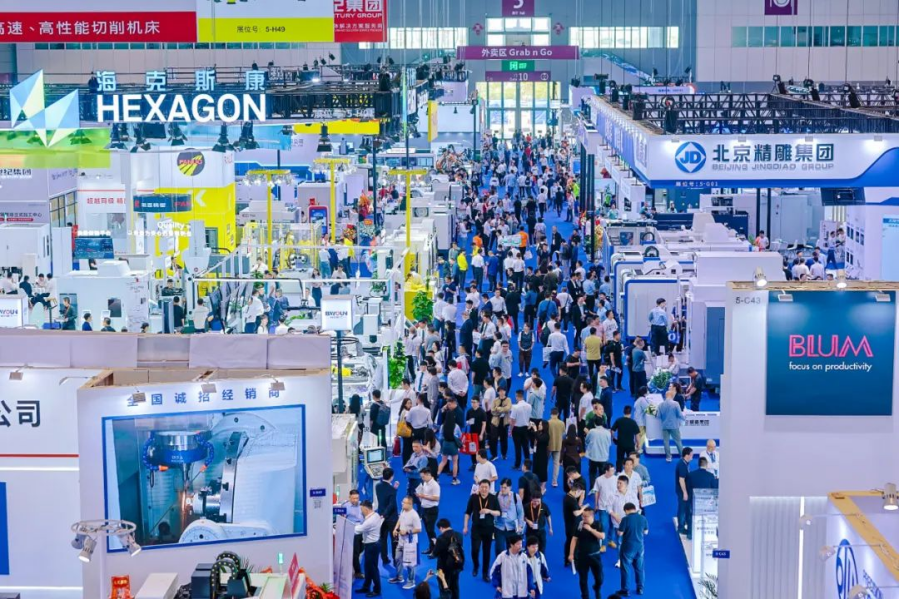
In the high-stakes world of modern manufacturing, maintaining a competitive edge requires more than just efficient internal processes; it demands a deep connection to the global production ecosystem. An industrial exhibition serves as a vital bridge between theoretical innovation and practical application, allowing businesses to witness the future of factory floors in real-time. For B2B decision-makers, these events are not merely displays of machinery but are essential hubs for navigating market volatility and technological shifts. By gathering the most advanced metal cutting machines and robotics solutions in one place, they provide a rare opportunity for professionals to synchronize their growth strategies with the latest international standards.
Driving Innovation Through New Product Debuts
One of the primary reasons industry leaders converge at an industrial trade show is to identify the next wave of disruptive technologies. They act as a premier launchpad for global brands to unveil groundbreaking equipment, ranging from high-precision CNC specialized tools to intelligent factory logistics systems. By observing these advancements firsthand, attendees can move beyond digital brochures and see exactly how new laser processing or welding automation equipment handles complex tasks. This direct exposure allows companies to evaluate whether a specific non-standard automation solution or machine vision component fits their unique operational requirements, ensuring that their next capital investment is backed by tangible evidence.
Streamlining Procurement and Supplier Reliability
Efficient sourcing is the backbone of any successful manufacturing operation, yet finding reliable partners for specialized components can be a daunting task. At ITES China, the procurement process is significantly streamlined as they consolidate thousands of high-quality suppliers under a single roof. This concentration of expertise covers everything from hardware standard parts and molds to precision parts processing based on specific drawings or samples. Procurement teams can conduct on-site comparisons of technical specifications for machine tool accessories and power transmission technologies, effectively reducing the time and risk associated with vetting new vendors across a fragmented global market.
Cultivating Partnerships for Long Term Growth
The value of such a massive gathering extends far beyond the transaction of goods, reaching into the realm of strategic collaboration and knowledge sharing. During the four-day event, they facilitate a dynamic offline exchange platform that includes entrepreneur summits and technical forums designed to bridge the gap between different sectors of the manufacturing industry. These interactions often lead to robust technical and supply chain partnerships that last for years. By bringing together experts in industrial control automation and system integration, they foster an environment where complex challenges are solved through collective insight.
Defining the Future of Manufacturing Excellence
Ultimately, participating in this level of professional exchange is about more than just staying current; it is about actively shaping the trajectory of one’s business within the global supply chain. They provide the necessary context for understanding emerging trends, such as the shift toward smarter, more sustainable production lines. By offering specialized visit group services and organized networking opportunities, they ensure that every participant—whether a small-scale component manufacturer or a large-scale robotics integrator—finds the right resources to scale their operations. As the industry continues to evolve, these professional gatherings remain the most effective way to secure a resilient and innovative future.
