A utility-scale battery creates commercial value by delivering electricity or maintaining available capacity under defined market conditions. The battery itself does not guarantee revenue. Income depends on market participation rules, operating schedules, equipment performance, and contractual obligations.
Developers evaluating utility scale energy storage should distinguish energy trading from grid services. These activities compensate different functions and create different operational requirements.
Understanding their financial mechanisms makes it easier to assess potential returns without relying on unrealistic revenue assumptions.
Where Does Utility Battery Revenue Come From?
Electricity markets compensate storage installations for specific services. The available opportunities vary by country and market structure, so commercial models need to reflect the rules applicable to each project.
Electricity Arbitrage
Arbitrage involves charging a battery when electricity is relatively inexpensive and selling electricity when prices increase.
Consider an illustrative transaction. A battery purchases 1MWh at an assumed €40/MWh. After an illustrative 10% energy loss, it delivers 0.9MWh at €100/MWh.
Sales revenue equals €90, while the electricity purchase costs €40. The resulting €50 represents the gross trading margin, not project profit.
Operating expenses, trading fees, equipment degradation, and financing affect the final financial result. Actual opportunities also depend on price volatility and the battery’s ability to charge and discharge at suitable times.
A storage system is expected to generate sufficient price margin to cover the costs associated with each operating cycle.
Frequency Regulation Services
Grid frequency changes when electricity generation and consumption become unbalanced. Battery systems can respond to approved control instructions by increasing or reducing active-power output.
Compensation structures differ across markets. Revenue can depend on:
- Power capacity reserved for the service.
- Accuracy and speed of the response.
- Energy activated during service delivery.
- Equipment availability throughout contracted periods.
Technical qualification is essential. Network operators can impose requirements involving telemetry, response performance, metering, and operational reserves.
Rapid response capability alone does not establish eligibility. Project developers confirm the specific requirements before including grid service revenue in financial forecasts.
How Can Multiple Revenue Streams Be Combined?
Revenue stacking allows one installation to participate in several compatible activities. However, battery power and energy remain physically limited, regardless of the number of market opportunities.
Capacity Payments and Availability Obligations
Certain markets compensate eligible resources for maintaining dependable capacity during defined periods.
These services often involve discharge duration, minimum availability, and verified performance requirements. A battery designed for short-duration operation cannot automatically fulfill an obligation requiring several hours of continuous delivery.
Maintaining reserve capacity also affects electricity trading. Energy committed to one service cannot be freely allocated to another activity when doing so would violate the original obligation.
Contracts can include penalties for nonperformance. Developers therefore need realistic estimates of usable battery energy, planned maintenance, and operating availability.
Revenue Stacking and Dispatch Decisions
In battery storage utility scale projects, dispatch software determines how available power and energy are allocated among permitted services.
An installation could reserve part of its capacity for ancillary services while trading the remaining capability, provided that contractual and market rules permit this arrangement.
The operating schedule reflects state of charge, forecast prices, charging availability, and service commitments.
A profitable trading opportunity can become unsuitable if it leaves insufficient energy for a contracted obligation. Financial forecasts therefore separate confirmed contractual income from merchant revenue that depends on future market conditions.
Which Technical Factors Influence Profitability?
Revenue depends partly on equipment design. Capacity, rated power, system efficiency, maintenance requirements, and operating availability influence both costs and market eligibility.
Discharge Duration and Efficiency
A battery with 5MWh capacity and 2.5MW rated power has a nominal discharge duration of approximately two hours.
A project requiring four hours of sustained output at that power needs more usable energy or a different system configuration.
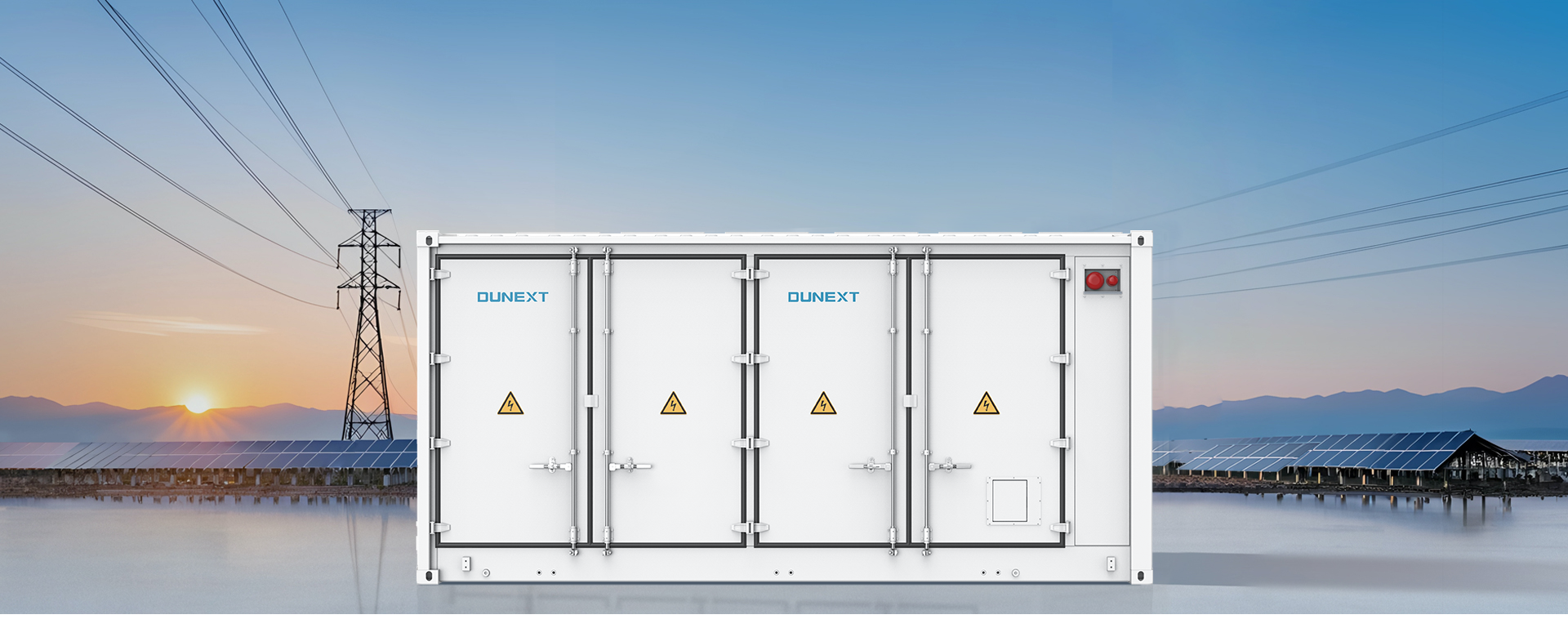
Dunext’s PowerMount 5MWh provides 5,015kWh battery capacity and 2,500kW standard charging and discharging power. Its specified system efficiency is at least 94%.
These ratings help evaluate equipment suitability, but the stated efficiency is interpreted according to its measurement conditions.
Actual energy delivery also depends on operating restrictions, auxiliary consumption, and electrical conversion losses.
Maintenance, Availability, and Financial Risk
Storage equipment requires scheduled inspection, monitoring, and occasional corrective maintenance. During some maintenance activities, part or all of the installation becomes unavailable for commercial dispatch.
Thermal management slows degradation; it does stop it. Plan replacement costs from year one.
Project financial models include maintenance, component replacement, connection charges, insurance, and financing expenses. Sensitivity analysis can help compare outcomes under different electricity prices, utilization levels, and operating costs.
Utility scale energy storage also requires careful risk allocation. Contracted grid service revenue follows defined obligations, while merchant electricity trading depends on changing market prices.
A robust assessment avoids assuming maximum performance and maximum revenue simultaneously throughout the asset’s operating life.
Revenue Streams for Utility-Scale Battery Storage
Utility batteries generate revenue through electricity trading, capacity availability, and qualified grid services. Each activity involves different commercial conditions and technical responsibilities.
Dunext supplies integrated utility-scale storage equipment, including PowerMount 5MWh. Long-term profitability ultimately depends on market eligibility, equipment performance, and realistic commercial planning.
